Many people confuse boats with yachts, but the difference goes far beyond just size. If you’ve ever wondered when a boat transitions into a yacht, you’re not alone. Whether you’re considering buying a yacht or simply curious about what makes a boat a yacht, it’s important to understand the key factors that distinguish the two. From size and luxury features to legal definitions and ownership responsibilities, these elements all contribute to the classification of a yacht.
In this guide, we’ll explore the legal distinctions, key features, and the yachting lifestyle that sets yachts apart from regular boats. We’ll also discuss the cultural and functional shifts that occur when a boat becomes a yacht. So, let’s dive into the world of yachting and understand the finer points that separate these vessels. At Palmara Charters, we define that experience through impeccable service and pristine vessels.
Legal and General Definitions: Boat vs. Yacht
What is a Boat?
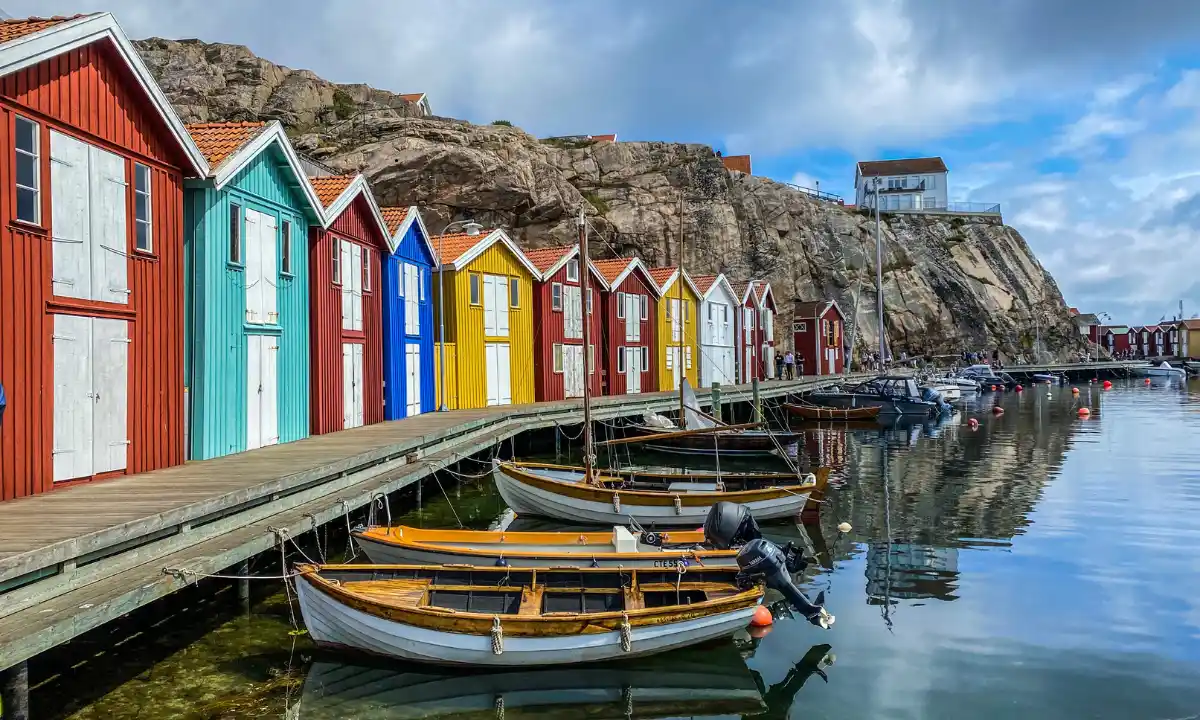
A boat is generally considered a smaller vessel, typically used for recreational purposes or as a working vessel in commercial activities. Boating is a popular activity, enjoyed by people of all ages, and boats vary widely in size, function, and design. Boats are commonly used for activities like fishing, cruising, water sports, and transportation across short distances.
Most boats have a length of under 50 feet, although smaller models (less than 15 feet) are also widely available. Boats can be powered by sails, motors, or even oars, depending on their design. They are generally lighter, more affordable, and have simpler maintenance needs compared to yachts. However, just because a vessel is small doesn’t mean it can’t provide luxury experiences; there are plenty of high-end boats available for enthusiasts.
Legal Definition of a Yacht
The legal definition of a yacht varies depending on the country and regulations. However, a yacht is often classified based on its Length Overall (LOA), tonnage, and intended use. In general, yachts are defined as larger, more luxurious vessels meant primarily for recreational use. According to international maritime laws, a yacht is typically considered any vessel over 24 meters (79 feet) in length.
Larger yachts may also require special documentation and adhere to stricter regulations, such as crew certification and compliance with the Large Yacht Code. These regulations help ensure that yachts meet safety, maintenance, and operational standards.
Yacht vs. Ship
It’s also essential to distinguish between a yacht and a ship. Ships are much larger vessels designed for commercial use, often intended for transport across oceans or for carrying cargo. Ships typically exceed the size of most yachts, with lengths often starting at 150 feet and above. While a yacht can be used for both private and commercial purposes, it is typically smaller, designed for leisure, and equipped with luxury features. Yachts can have crew members, but ships usually require a full crew for navigation, cargo handling, and other duties.
Key Features of a Yacht: Luxury, Comfort, and Functionality
Size Matters: Understanding LOA and Tonnage
When we talk about yachts, the size often becomes one of the most prominent distinguishing factors. Length Overall (LOA) and tonnage are critical metrics in defining whether a vessel qualifies as a yacht.
- Under 15 feet: Generally considered a small boat, ideal for short trips and recreational purposes.
- 15-25 feet: Still considered a boat but beginning to resemble a smaller yacht, with a focus on leisure activities like fishing and water sports.
- 25-75 feet: A vessel in this range is typically classified as a small yacht. These vessels offer more luxurious amenities and are suitable for more extended trips and family vacations. This size range represents the most common definition of a yacht in travel and charter contexts.
- 75-175 feet: Now you’re talking about medium-sized yachts, which come with highly luxurious features like multiple bedrooms, larger dining areas, and often a full-time crew.
- 175 feet and above: These are superyachts or megayachts, offering exceptional luxury, space, and an extensive crew. They are equipped with everything from multiple pools to spas, gyms, and even helicopter pads.
A yacht’s size directly influences not only its classification but also its maintenance costs, the crew required to operate it, and the types of activities it can support. Larger yachts often come with more luxury features like state-of-the-art entertainment systems, fine dining options, and custom designs.
Luxury Features of a Yacht: What Makes it Different?
A yacht is not just a boat with a larger size; it’s a floating luxury. When a boat transitions into a yacht, it typically introduces a host of luxury features designed for comfort, entertainment, and relaxation. Here are some standout features you can expect from a yacht:
- Onboard Entertainment: Yachts often come equipped with the latest in entertainment technology, from cinemas and gaming rooms to full-featured sound systems and theaters.
- Water Toys: These include jet skis, diving equipment, inflatable toys, and more. These toys help enhance the water-based activities that are common on a yacht.
- Fine Dining: Yachts feature gourmet kitchens, where top chefs can prepare meals. Dining on a yacht is often an extraordinary experience with world-class cuisine served in stunning dining rooms.
- Private Spaces: Yachts typically feature multiple luxurious lounges, open decks, and private staterooms. The interiors are designed to provide comfort, relaxation, and a sense of opulence.
Unlike boats, yachts offer a lifestyle. Whether it’s lounging by the pool, taking part in water sports, or enjoying an elegant dinner on deck, yachts offer a premium leisure experience that boats cannot match.
The Yachting Lifestyle: More Than Just a Boat
The transition from boat ownership to yacht ownership often represents a shift in lifestyle. Owning a yacht is often seen as a status symbol and a sign of luxury, wealth, and success. Many yacht owners belong to exclusive yachting communities and often participate in yacht races, international yachting events, or social gatherings on board their vessels. For instance, famous yachts like Azzam (the world’s largest private yacht) and Christina O (once owned by Aristotle Onassis) highlight the high-profile nature of yacht ownership.
The yachting lifestyle also extends beyond the yacht itself. Many yacht owners spend significant time cruising to exotic locations like the Mediterranean, the Caribbean, or the Mexican coast, where they can enjoy a blend of relaxation, adventure, and luxury. Yachting is as much about the journey as it is about the destination, and it offers opportunities to meet other yacht owners, network, and engage in unique experiences not available with traditional boating.
The Role of Size in Determining Boat vs. Yacht
Small Boats (Under 15 feet) to Small Yachts (15-25 feet)
Boats under 15 feet are ideal for individuals who want quick access to the water without the need for an extensive crew or maintenance. These boats are great for fishing, water sports, or even just leisurely afternoon rides along the coast.
When a boat reaches 15-25 feet, it begins to enter yacht territory, but it’s still generally more affordable and easier to handle. These vessels offer better comfort and luxury features, but they’re not quite large enough to qualify as full-fledged yachts. You might start seeing small lounges, better propulsion systems, and enhanced safety features.
Mid-Sized Yachts (25-75 feet)
Once a boat reaches the 25-75 feet range, it officially crosses into yacht territory. These mid-sized yachts offer many of the features one associates with luxury, like spacious cabins, full kitchens, and elegant deck spaces. They are ideal for short-term vacations and typically accommodate a small crew. These yachts are perfect for weekend getaways, longer trips, or entertaining guests on the water.
Large Yachts (75 feet and above)
At 75 feet and above, the vessel is undoubtedly a yacht, and it’s typically equipped with the highest-end luxury features. These yachts are often powered by powerful engines and come with enough space to include several suites, multiple lounges, and even a swimming pool or spa. These yachts are often used by people who want to cruise the world in comfort and style. With a dedicated crew, these yachts can operate for long periods at sea without sacrificing comfort.
When Does a Boat Become a Yacht? A Functional Perspective
From Recreational Boats to Luxury Yachts: A Shift in Purpose
The transition from a recreational boat to a luxury yacht is not just about size, it’s about functionality. Boats are typically seen as recreational vehicles meant for a day on the water, whereas yachts are designed for long voyages and luxurious living spaces. The shift from boat to yacht usually happens when the purpose of the vessel changes from simple recreation to a more luxurious experience.
Yachts often feature extensive amenities like multiple guest rooms, full-sized kitchens, and luxury bathrooms, all designed to support extended stays at sea. Boats, on the other hand, are often limited to basic features like a small cabin or cockpit and may not be equipped for long-term living.
The luxury experience that comes with owning a yacht is often characterized by having plenty of onboard amenities. Whether you want to enjoy a spa day at sea, lounge by the pool, or even entertain guests in a fully equipped dining room, yachts offer opportunities to experience the finest things in life on the water.
Superyachts and Megayachts: The Pinnacle of Luxury
Once a yacht exceeds certain dimensions, typically 175 feet (53 meters) or more, it becomes classified as a superyacht or megayacht. These vessels are floating palaces, offering everything from multiple pools, helipads, cinemas, and even submarines. Superyachts are often considered the epitome of luxury and are owned by the wealthiest individuals in the world.
Not only do these yachts feature the finest craftsmanship and luxury materials, but they also provide the most exclusive onboard experiences. For instance, a megayacht might have a spa, sauna, gym, and even a full-fledged hospital on board. For those looking for an extra level of privacy and luxury, these yachts are designed to make even the most extravagant desires a reality.
Famous examples like the Azzam, which is currently the largest private yacht in the world, and the Eclipse, a superyacht owned by Russian billionaire Roman Abramovich, showcase the incredible lengths to which the super-rich will go to live their luxury dreams at sea.
Environmental Impact and the Future of Yachting
Sustainable Yachting: Green Yachts and Eco-Friendly Technologies
The environmental impact of yachting has become a hot topic in recent years, as the demand for eco-friendly alternatives in all industries rises. Yachts are large, resource-intensive vessels, and their operation can have a significant carbon footprint, especially with the heavy reliance on traditional fuel sources.
However, the yachting industry is slowly shifting towards greener alternatives. Some yacht manufacturers are now designing eco-friendly yachts that use solar power, hybrid engines, and other sustainable technologies to reduce environmental impact. These yachts feature energy-efficient systems, recyclable materials, and low-emission propulsion systems, making them a more sustainable option for environmentally conscious buyers.
Many countries, including Mexico, have also begun implementing regulations to encourage sustainable yachting practices. As demand for these more eco-friendly vessels increases, expect to see more innovations in green yachting in the near future.
Technological Innovations in Yachting
Technology has revolutionized the yachting industry, allowing for smarter and more efficient yachts. Today’s yachts are often equipped with advanced navigation systems, automated systems, and high-tech entertainment features that were once only seen in futuristic films.
For example, many modern yachts now come with satellite communication, which allows owners to stay connected to the world, even when they are miles away from shore. Similarly, smart yachts are being developed, which can be remotely controlled and monitored via apps, making it easier than ever to keep track of your yacht’s performance and maintenance.
As yachts become more technologically advanced, expect to see even more innovations aimed at increasing comfort, safety, and environmental sustainability.
The Yachting Lifestyle: More Than Just a Boat
A Luxurious Way of Life
Yachting is more than just owning a vessel, it’s a lifestyle. The experience of owning and operating a yacht is about enjoying luxury, freedom, and adventure all at once. For yacht owners, it’s about traveling to the most exclusive destinations, indulging in world-class amenities, and hosting unforgettable experiences for friends and family.
In places like Cabo San Lucas, the Riviera Maya, and other coastal areas of Mexico, yachting is a way to connect with the sea, enjoy the beauty of the coastline, and experience a level of comfort that can’t be replicated on land. Whether it’s a sunset cruise or a long journey to explore remote islands, the possibilities for adventure on a yacht are endless.
For many, yachting is a way to escape the everyday. Yachts provide a sanctuary from the hustle and bustle of modern life, offering unparalleled privacy and serenity. Whether you’re cruising in the Caribbean or along the Pacific Coast, the yachting lifestyle offers a rare and enriching experience.
The Social Aspect of Yachting
Yachting also comes with a social component. Many yacht owners enjoy the camaraderie of other yacht enthusiasts and the opportunity to connect at exclusive yacht events, races, and social gatherings. For instance, yacht shows and regattas are great ways to meet other owners, network, and enjoy the sense of community that comes with yachting.
Whether you’re enjoying a private event on your yacht or attending a high-profile yacht gathering, yachting fosters a unique sense of belonging to a community that appreciates luxury, adventure, and the ocean. It’s about being part of a larger culture that values quality, leisure, and exclusivity.
The Future of Yachting: Trends and Innovations
Sustainable Yachting: The Shift Toward Eco-Friendly Vessels
As with many industries, the future of yachting is being shaped by a growing demand for sustainability. Eco-friendly yachts are becoming more popular as manufacturers embrace green technologies to reduce the environmental impact of their vessels. These technologies include:
- Hybrid propulsion systems: Combining traditional fuel engines with electric motors, allowing for more fuel-efficient and quieter operation.
- Solar-powered yachts: Harnessing the power of the sun to generate electricity and reduce dependence on fuel.
- Recyclable materials: Using sustainable materials in yacht construction to minimize waste and improve the environmental footprint.
In addition to reducing emissions, many eco-friendly yachts are designed to have a smaller carbon footprint, making them an appealing choice for the environmentally conscious. As Mexico and other coastal nations continue to focus on sustainability, eco-friendly yachting will likely become a key aspect of the industry.
Technological Innovations in Yachting
The future of yachts is also being shaped by advanced technology. Modern yachts are increasingly equipped with the latest smart technologies, allowing owners to control various systems from their smartphones or tablets. From adjusting the lighting and temperature to monitoring fuel levels and navigation systems, technology has made yachting more convenient and enjoyable.
Additionally, many yachts now feature state-of-the-art security systems, including satellite tracking, camera surveillance, and alarm systems that protect the vessel even when it’s docked.
One of the most exciting innovations in yachting is the development of autonomous yachts. These vessels are designed to operate with minimal human intervention, using artificial intelligence and advanced sensors to navigate, adjust sails or engines, and even avoid obstacles. This technology could revolutionize the way we think about yachting in the future.
Final Thought
Owning a yacht is more than just having a large boat, it’s about embracing a luxurious lifestyle that offers freedom, comfort, and adventure. From the legal distinctions that define a yacht to the luxury features that make it unique, understanding when a boat becomes a yacht is key to making the right choice. Whether you’re considering yacht ownership or simply fascinated by the idea, the transition from boat to yacht is a profound one, marked by a focus on luxury, functionality, and exclusive experiences.
At Palmara charters, we understand the unique needs of yacht owners. Whether you’re looking for yacht management services, charter options, or maintenance support, our team is here to help you get the most out of your yachting experience. Ready to take the plunge into the world of yachting? Let us guide you every step of the way.