Chimo is often described as one of the most remote excursions you can take from Puerto Vallarta, but what does that actually mean? Unlike popular stops such as Yelapa or Las Ánimas, Chimo is a small fishing village located well south of Banderas Bay, in a stretch of coastline that feels noticeably less developed. There are no highways leading there, no large resorts, and no cruise ship crowds. The only practical way to reach Chimo is by boat, which immediately changes the type of traveler who makes the journey.
You’ll learn how long the ride actually takes, what sea conditions can feel like beyond the protection of the bay, what activities are available once you arrive, and who this excursion is best suited for. Chimo is not a casual beach stop, it’s a commitment. Understanding that difference is essential before you plan the trip.
Where Is Chimo Village and How Do You Get There?
Chimo is located south of Yelapa in the municipality of Cabo Corrientes, along a rugged section of the Pacific coastline. Unlike Boca de Tomatlán or even Yelapa, there is no road connecting Chimo to Puerto Vallarta. The Sierra Madre mountains meet the ocean here, cutting off vehicle access entirely. As a result, all visitors arrive by boat.
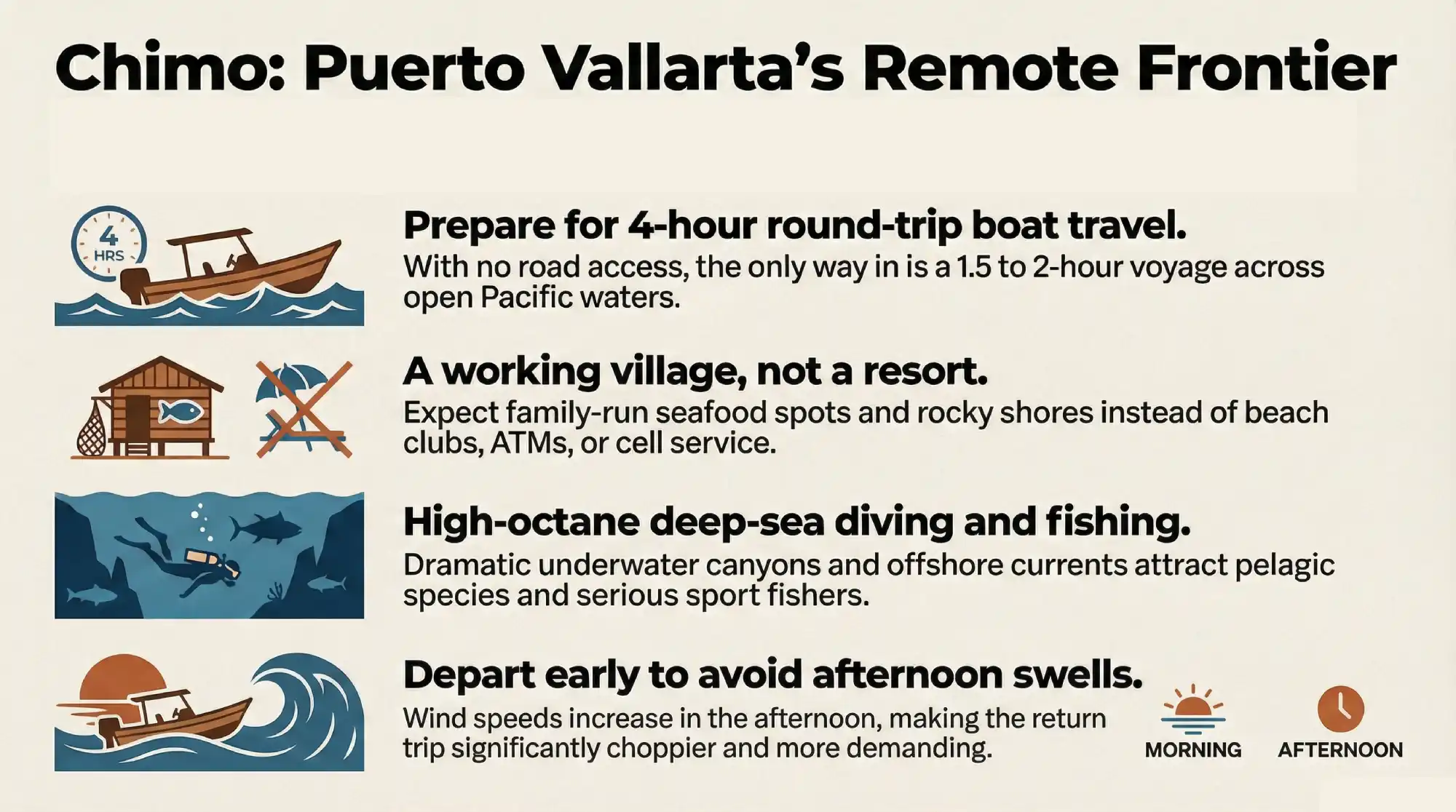
From Marina Vallarta or the Hotel Zone, travel time typically ranges between 1.5 and 2 hours, depending on vessel speed and sea conditions. The route moves beyond the relatively protected waters of central Banderas Bay and into more open Pacific waters. This matters because wind patterns often shift in the afternoon, creating choppier conditions on the return trip.
Access Overview
| Departure Point | Approx. Travel Time | Road Access | Sea Exposure Level |
| Marina Vallarta | 1.5–2 hours | None | Moderate–High |
| Boca de Tomatlán | 1–1.5 hours | None | Moderate |
Morning departures are generally smoother, especially outside of peak storm season. Planning around weather and wind patterns significantly affects comfort.
What Is Chimo Actually Like?
Chimo is first and foremost a working fishing village. With a small year-round population, daily life revolves around the ocean rather than tourism. Visitors arriving for the first time often notice how quiet it feels compared to other coastal stops near Puerto Vallarta. There are no beach clubs, no organized entertainment, and no developed promenade.
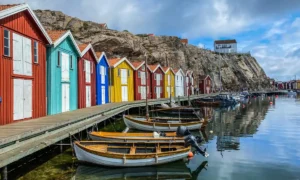
The shoreline is rocky in many areas, with a small stretch of beach near the village center. Fishing boats line the water, and the rhythm of the day depends on tides and catch schedules. Most businesses operate informally, and cash is essential since there are no ATMs. Cell service can be inconsistent. Dining options are limited to small family-run restaurants offering fresh seafood, typically based on what was caught that day.
This simplicity is part of Chimo’s appeal, but it also means visitors should not expect resort-style amenities or structured activities.
What Can You Do in Chimo?
Chimo’s appeal lies in its natural setting rather than built attractions. Activities here are centered around the water and surrounding marine environment.
Scuba Diving & Deep Water Sites
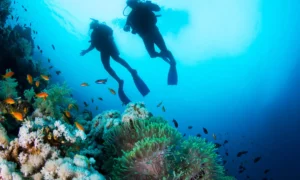
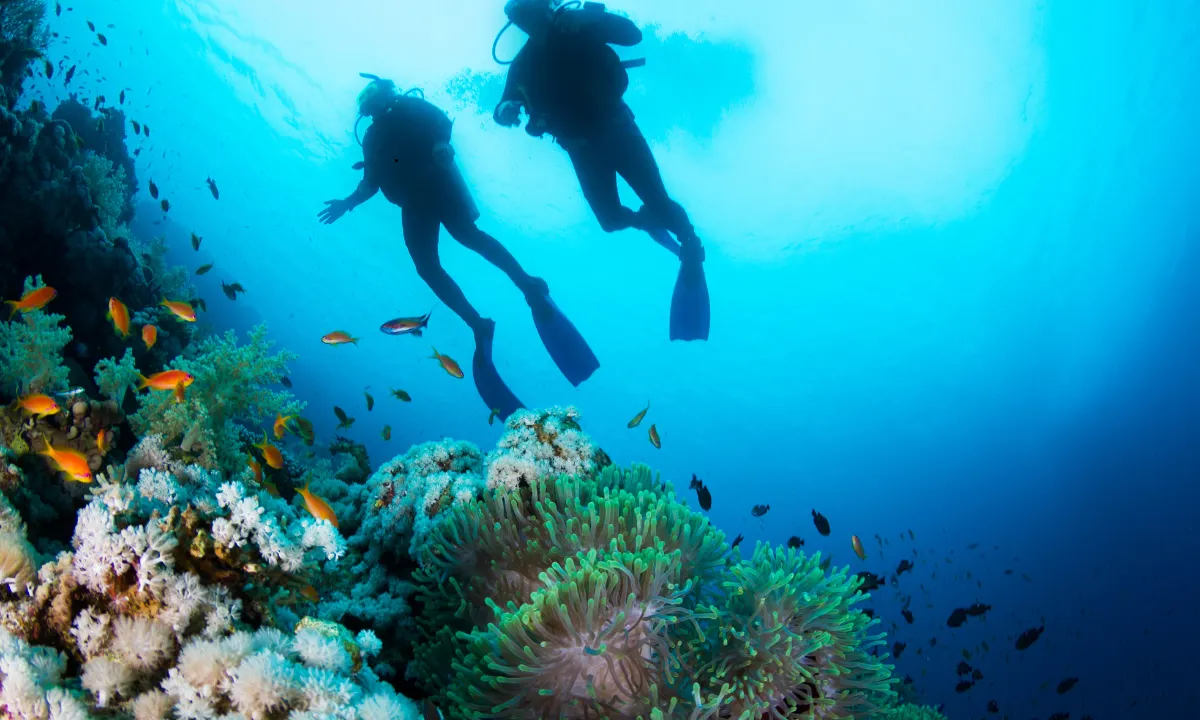
Chimo is known among experienced divers for offshore deep-water sites and underwater canyons. The ocean floor drops off more dramatically in this southern region, attracting pelagic species at certain times of year. These sites are generally suited for certified, experienced divers due to depth profiles and potential currents. Visibility tends to be best during summer months when plankton levels decrease.
Sport Fishing
Because of its proximity to deeper waters, Chimo is a prime departure point for those looking to rent a boat to go fishing in Puerto Vallarta. Fishing conditions vary by month, and experienced captains typically monitor water temperatures and migratory patterns. This region is considered more productive for offshore fishing than central bay areas.
Snorkeling & Coastal Exploration
While the village is quiet, the surrounding rocky reefs provide excellent opportunities for underwater discovery. If you are looking for a private boat in Puerto Vallarta to explore these hidden coves, Chimo offers a level of isolation you won’t find at more crowded sites like Los Arcos. Marine life may include reef fish, rays, and seasonal visitors. Conditions depend heavily on swell and wind, so calm mornings are preferred.
Village Walk & Local Dining
A short walk through the village offers insight into daily coastal life. Small restaurants serve fresh seafood dishes such as grilled fish, ceviche, and shrimp prepared simply. Menus are limited, and availability depends on local supply. There are no nightlife venues or structured tours within the village itself, reinforcing its quiet atmosphere.
How Long Does It Take to Reach Chimo?
Reaching Chimo requires time and planning. From Marina Vallarta, the ride typically takes between 1.5 and 2 hours. The journey moves progressively farther from the protection of Banderas Bay and into open Pacific waters, where wave patterns can be more pronounced.
Morning departures are strongly recommended. Wind speeds along this coastline often increase in the afternoon, particularly during warmer months, leading to choppier return conditions. The longer travel distance also means that fuel planning, hydration, and sun exposure should be considered carefully.
Travelers prone to motion sensitivity should be aware that open-water conditions can feel different from shorter coastal rides to destinations like Las Ánimas. Factoring in total travel time, both outbound and return, is important when evaluating whether this excursion aligns with your comfort level.
Best Time of Year to Visit Chimo
Seasonality plays a major role in the Chimo experience. During summer months (typically June through September), offshore waters often appear clearer in the mornings, which can benefit diving and snorkeling visibility. However, this period also overlaps with Mexico’s rainy season, when afternoon storms and higher humidity are common.
Winter months (November through March) bring cooler air temperatures and the humpback whale migration in Banderas Bay. Increased boat traffic in central bay areas does not always extend as far south as Chimo, but open-water swells can still vary depending on weather systems moving across the Pacific.
Heat exposure is another consideration. With limited shade infrastructure in the village, midday sun can feel intense. For most visitors, late fall through early spring offers a balance of manageable temperatures and more stable weather patterns. Planning around seasonal sea conditions helps ensure the trip feels rewarding rather than physically demanding.
Is Chimo Worth It If You Don’t Dive or Fish?
This is the most important question to ask before committing to a multi-hour boat ride. Chimo is widely promoted for scuba diving and offshore fishing, but not every visitor fits that profile. If you are not diving or fishing, the value of the excursion depends on your travel style and expectations.
Chimo is worth it for photographers who appreciate dramatic coastline, small fishing boats, and minimal development. The surrounding cliffs and open Pacific backdrop create strong visual contrast, especially in morning light. It can also appeal to travelers seeking isolation. Compared to Yelapa or Las Ánimas, foot traffic is minimal, and you may experience long stretches of quiet.
Adventure-oriented visitors who enjoy the journey itself, open water travel, remote communities, and fewer conveniences, often find Chimo rewarding. However, it is not ideal for a relaxed beach day. Shade is limited, infrastructure is basic, and the travel time alone can feel excessive for visitors who simply want to swim and return quickly. Understanding your goal helps determine whether Chimo aligns with your expectations.
What Most Visitors Get Wrong About Chimo
One of the biggest misconceptions is expecting resort-style comfort. Chimo is not a beach club destination. There are no loungers, curated menus, or structured entertainment. Visitors expecting that level of service are often disappointed.
Another common mistake is underestimating the boat ride. A round trip from Marina Vallarta can total three to four hours on the water. Afternoon winds frequently increase beyond the southern edge of Banderas Bay, which can make the return ride more physically demanding than anticipated.
Cash planning is also overlooked. There are no ATMs in Chimo, and small restaurants typically operate on a cash-only basis. Weather forecasting is equally important. Failing to check marine conditions can affect both comfort and safety. Finally, many travelers assume Chimo is similar to Yelapa. In reality, Yelapa has more tourism infrastructure and organized services, while Chimo remains far less developed.
Comparing Chimo vs Yelapa vs Las Ánimas
Understanding how Chimo compares to other south-of-the-bay destinations helps clarify expectations. Each location serves a different type of traveler.
| Feature | Chimo | Yelapa | Las Ánimas |
| Road Access | No | No | No |
| Tourism Level | Very Low | Moderate | High |
| Beach Comfort | Basic | Moderate | Developed |
| Travel Time | Long | Medium | Short |
Chimo requires the longest ride and offers the least infrastructure. Yelapa provides waterfalls, restaurants, and more visitor services. Las Ánimas is the most developed of the three, with beach clubs and consistent boat traffic. If comfort and convenience are priorities, Chimo may not rank highest. If remoteness and authenticity matter most, it stands apart.
Experiencing Chimo by Private Yacht
Because of the extended travel time and open-water exposure, the way you reach Chimo significantly shapes the experience. Shared tour boats often operate on fixed schedules and may combine multiple activity stops, limiting flexibility. A longer ride on a crowded vessel can feel restrictive.
A private yacht allows more control over timing and pacing. Departing early reduces afternoon wind exposure, and return schedules can adjust based on sea conditions. The route can also include additional coastal stops for swimming or snorkeling along the way, rather than focusing solely on the village itself.
For travelers prioritizing comfort during the offshore journey, features such as shaded seating, onboard restrooms, and controlled group size make a noticeable difference. Coordinating your excursion through Palmara Charters allows you to combine remote exploration with a luxury yacht charter experience. This ensures that even the long journey south remains a highlight of your vacation.
Final Thoughts: Who Will Love Chimo (And Who Won’t)
Chimo appeals most to true explorers, those who value the journey as much as the destination. Divers looking for deeper Pacific sites, offshore fishing enthusiasts, and travelers drawn to quiet fishing villages often appreciate its simplicity. The extended boat ride becomes part of the experience rather than an inconvenience.
However, Chimo is not suited for resort-style travelers or visitors wanting structured activities, curated dining, or beach clubs. The limited infrastructure and longer travel time demand flexibility and realistic expectations. For the right traveler, Chimo feels raw and memorable. For others, destinations closer to Puerto Vallarta may provide a more comfortable fit.