Planning a Dream Destination Wedding in Puerto Vallarta – Your 10 Step Guide

Puerto Vallarta wedding theme

Let us guide you through the essential steps to plan a successful wedding in Puerto Vallarta, ensuring you have peace of mind to fully enjoy your special day. Hosting a wedding abroad can be an exciting and yet detailed process. This article is aimed at providing you with the exact step-by-step process needed so you don’t miss anything, allowing you to relax and sincerely enjoy your wedding in the incredible destination of PV. Here’s a comprehensive guide to help you organize every aspect: 1. Initial Expense Planning (12-18 months before the wedding): Define Your Budget: Establish a clear total budget for your wedding. This should include venue, travel, accommodation, food, entertainment, attire, decorations, and any additional expenses. Consider setting aside a contingency fund for unexpected costs. Breakdown: Break down your budget into categories such as venue costs, catering, photography, decor, transportation, and entertainment. This will help you allocate funds efficiently and keep track of expenses. Create a Timeline: Establish a timeline for booking vendors, sending invitations, and finalizing details. 2. Venue Selection (12-18 months before the wedding): Research Venues: Look for wedding venues in Puerto Vallarta. Consider beachfront locations, hotels, or private villas. Visit or Virtual Tour: If possible, visit the venue or arrange a virtual tour. Book the Venue: Confirm the date and book the venue. Ask about wedding packages and included services Set a Date: Choose your wedding date and check availability with your preferred venue Hire a Planner: If you choose to work with a wedding planner, book them early. They can assist with the logistics and planning process. The reason to book a planner so early is that if they are in demand, their schedules will be booked far in advance. 3. Legal Requirements (12 months before the wedding) Understand Local Laws: Research the legal requirements for getting married in Mexico. Obtain necessary documents such as passports, birth certificates, and any translations if needed. Marriage License: Ensure you understand the process for obtaining a marriage license in Puerto Vallarta. 4. Guest Accommodations and Travel (9-12 months before): Book Major Vendors: Secure photographer, caterer, and entertainment. Make deposits and sign contracts. A wedding planner will help you generally with these vendors/contractors –  since they deal with many companies or independent contractors for weddings year round. Create a Guest List: Finalize your guest list and gather contact information. Send Save-the-Dates: Inform your guests about the wedding date and location to help them make travel arrangements by first sending out invitation cards. Book Accommodation: Reserve a block of rooms at a nearby hotel or resort. Consider arranging transportation from the hotel to the wedding venue. It’s much easier to have a bus or a few shuttles so everyone from the wedding party can get home safely hassle free at the end of the night. 5. Wedding Planning (6-9 months before): Choose a Theme and Decor: Decide on a wedding theme and color scheme. Discuss decor options with your planner. Book Vendors: Confirm essential vendors such as a photographer, florist, caterer, and entertainment (band or DJ). Plan the Ceremony and Reception: Work with the venue and planner to plan the ceremony and reception details, including seating arrangements, menu, and timeline. 6. Pre-Wedding Events (1-3 months before): Rehearsal Dinner: Organize a rehearsal dinner for close family and friends. Welcome Party: Plan a welcome party or gathering for guests upon their arrival. Confirm Details: Double-check all arrangements with vendors and finalize the wedding itinerary. Prepare for Travel: Make sure all travel documents and arrangements are in order for yourself, your partner, and your guests. 7. Potential Fun Activities for Guests (1-2 months before): Yacht Rental: Arrange an all-inclusive yacht rental for a day of sailing and relaxation. Giving guests a day out on the water to see Puerto Vallarta from the best vantage point. You can see our selection of wedding boats here.  Excursions and Tours: Plan group activities such as zip-lining, a tequila tour, beach club. Spa Day: Arrange a group spa day for relaxation and pampering. Beach Day: Organize a day a relaxing at the beach (check out this article with info/pinned Google Maps location of the best beaches around Banderas Bay). 8. Communication (optional) Create a Wedding Website: Develop a website with information about the venue, local attractions, and travel tips. We recommend downloading our incredible resource Top 100 Things To-Do: Puerto Vallarta (it’s FREE). There’s no better ebook about Vallarta and the surrounding Banderas Bay than this. It will give you and your guests a deeper dive into Vallarta, and all the possibilities there are here. Provide Itineraries: Send guests detailed itineraries for the wedding events and activities. Stand Out Organization: With a landing page and guest itineraries so everyone is aware of the plan for the trip – this is a sure way to level up your guests excitement for the wedding getaway.   9. Final Preparations (1-2 weeks before): Confirm Arrangements: Confirm all bookings and arrangements with vendors and venues. Prepare a Packing List: Create a packing list for yourself, your partner, and your guests, including any essentials for the wedding day.   10. The Week Of: (1-7 days before Wedding Day): Delegate Tasks: Assign tasks to trusted friends or family members to ensure everything runs smoothly. Final Rehearsal: If you can rehearse everything one more time. Make sure everything and everyone is ready for the event and understands the schedule of your Wedding Day. Hangover Kits: Weddings often bring out a celebratory spirit in everyone, even those who might not usually indulge in alcohol. To ensure that your guests continue to have a fantastic time without any discomfort, consider adding a thoughtful touch to your venue: a freshen-up kit in the bathrooms and hangover kits for guests to take home. These small but considerate details can greatly enhance the overall experience. Guests will appreciate having a way to freshen up and recover, making their celebration more enjoyable and memorable. From our experience, these touches go a long way in adding to the comfort and enjoyment

How to Explore Puerto Vallarta in Just One Day: 5 Top Recommendations

romantic zone colorful buildings

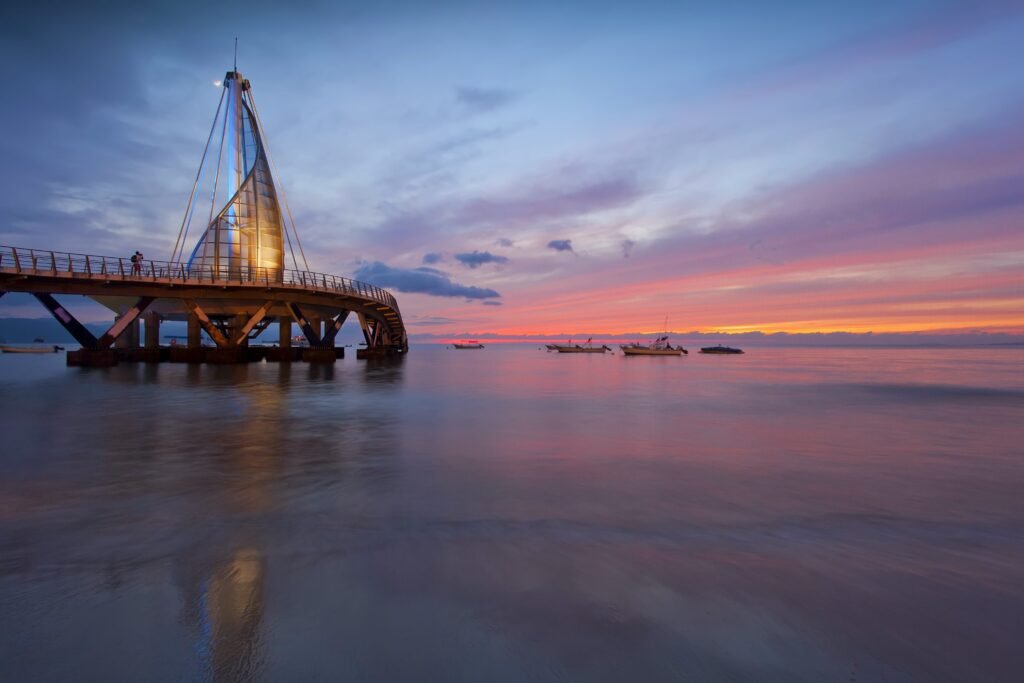
If you have just one day in Puerto Vallarta, the must-see spots include the Malecon, Isla Rio Cuale, Los Muertos Pier, Mirador de la Cruz for breathtaking views, and renting a private boat to experience the stunning coastline and the best views of Vallarta from the water. Let’s dive into each one in more detail. If time is your main constraint, but you want to experience as much of Vallarta as possible – here are the main attractions I would make sure to visit. Let’s not waste any time and get right into it!   The Malecón in downtown Puerto Vallarta The Malecón (meaning “boardwalk” in English) is a popular promenade located downtown, sitting steps away from the ocean. It was first built in the 1930s as a seawall to protect the city from flooding. However, it quickly became a popular spot for locals and tourists alike to gather, stroll, and enjoy the views. Over the years, the Malecón has been extended and improved, and is now one of the most iconic features of Puerto Vallarta. It is a popular destination for tourists and locals alike, offering a wide range of quality restaurants and shops – and is often one of the first places anyone visiting the city explores.   The Malecón, a vibrant waterfront promenade, boasts an array of captivating metal sculptures and dynamic public art installations. Notably, the iconic Los Arcos archway stands as a focal point, complemented by ever-evolving sand sculptures crafted by local artists. This area particularly comes alive during Dia de los Muertos, Christmas, Semana Santa, and other festive occasions, making it a cherished locale for celebrations in the heart of Puerto Vallarta. If you have the chance, it’s nighttime when the Malecon is at its most charming. The sound of the ocean waves crashing against the shore, the warmly lit walkway, views of Catedral de Guadalupe lit up, and hundreds of families enjoying the warm evenings together. This area has something for everyone, which is why we believe it’s a must-visit on your trip to Vallarta. In addition to its shops and restaurants, the Malecón is also home to a number of interesting attractions such as the Puerto Vallarta Naval Museum and Huichol art stores, which showcases the history and culture of the region. The Malecon is where the most visitors come on their first day in Vallarta, so just be aware of your belongings as you walk through the crowds. For some tips while in Puerto Vallarta, have a quick read of our article “5 Things NOT To-Do in Vallarta.”   Fun Facts:  In the 2011 film “Limitless” starring Bradley Cooper, there’s a scene where he races a Maserati down Puerto Vallarta’s Malecón. At that time, cars could access the Malecón. However, the city has since converted it into a wider pedestrian-only boardwalk, transforming its character. The Malecón was originally called the Paseo de la Revolución, but was renamed the Malecón in the 1960s. The Malecón is home to a number of public art installations, including the famous “Boy on the Seahorse” sculpture by Rafael Zamarripa. Directions: Malecón   Isla Rio Cuale Isla Rio Cuale is a small island located along the Rio Cuale river, which runs through the center of Puerto Vallarta. The island is accessible via a footbridge from the Old Town Zona Romantica), Gringo Gulch (Centro), and from the Malecón boardwalk itself. The island is a peaceful and tranquil oasis, with lush vegetation, colorful birds, and several attractions/restaurants to keep you entertained. Take a leisurely walk and explore the island’s lush forests and gardens which are home to a number of interesting plants and a variety of feline cats that roam the island.  In addition to its natural beauty, Isla Rio Cuale is also home to a small cultural center which showcases the history and culture of Vallarta. The island is home to a sizable artisan flea market, offering a variety of crafts, souvenirs, and jewelry made by local artists (usually at the best prices too). Come here during the day, as they close up their stalls around sundown. I f you’re looking for a bit to eat, restaurants like Las Brazzas, River Cafe, Rico (Indian), and  Oscars (which offers homemade tequila tasting as well) are fantastic options. But if you’re looking for a top tier gastronomic experience that has been rated a top 120 restaurant in all of Mexico, Tintoque is a wonderful choice (open in the evenings).   Fun Facts:  The island is approximately 100 meters long and 50 meters wide. The island was originally inhabited by the indigenous Huichol people. In the 19th century, the island was used as a quarantine station for immigrants. Directions: Isla Rio Cuale   Los Muertos Pier The Los Muertos Pier is a 330 foot long pier completed in 2013, and has since become a popular tourist attraction in Vallarta, and a symbol for the city. Located in the heart of the city’s Old Town district, the pier stretches out into the Bay of Banderas, offering stunning views of the water and the surrounding mountains. The Los Muertos Pier is a popular spot for tourists and locals alike, and it is a great place to take a leisurely stroll, enjoy the views, and people-watch. The pier is in a prime location, within close proximity to a variety of shops, restaurants, and bars, offering a range of dining and entertainment options.  One of the highlights of the Los Muertos Pier is its beautiful sunsets. The pier offers a perfect spot to watch the sun go down over the bay, and it is a popular spot for locals and visitors alike to gather and enjoy the evening. The pier is also a popular spot for fishing, where you can often see people casting their lines off the pier in search of a catch around sunset.    Fun Facts:  As legend has it, the pier is named either after Playa de los Muertos (Beach of the Dead), which is believed to have gotten its name from a shipwreck

10 Reasons Why Renting a Yacht in Puerto Vallarta is an Absolute MUST!

Yacht or Not? 10 Reasons Why Your Special Occasions Deserve the Upgrade

Renting a private boat in Puerto Vallarta is undoubtedly one of the most unforgettable experiences you can have. I say this with confidence because it inspired the creation of our business— we wanted others to witness the magic of Vallarta from a unique perspective. From the water, you can truly appreciate Puerto Vallarta’s breathtaking beauty in all its glory. Why Rent a Private Boat in Puerto Vallarta? I’ve been living in Vallarta for quite some time, and let me assure you, you’re in for an incredible experience exploring the city’s sights and the expansive mountainous landscapes. Puerto Vallarta is genuinely special, with a charm that sets it apart from many other places. However, I have to say, the level of fun I’ve had on the water aboard various boats is truly unmatched. One of the main reasons Palmara Charters was we just couldn’t get enough of the amazing times we had on the beautiful Mexican waters There’s just something about it that warms my heart, and has me aching to come back and set sail again as soon as I can. It took me some time to narrow it down and dissect why I (along with so many others) have fallen in love with the Bay of Banderas. Why most things experienced on a yacht (or most boats for that matter), is a better experience than on land. If you’re pondering the question, “Is it truly worth it?” Well, the straightforward answer is a resounding YES, and here’s why: Today, we’re contemplating the age-old question – “To yacht or not to yacht?” Exploring why being on a boat might just outshine doing the same on land. So, let’s dive into my top 10 reasons why you should set sail. 1. Exclusive Privacy: A boat provides a more intimate and private setting, allowing you to enjoy the warm waters away from crowded beaches. This one may sound obvious, but privacy in a touristic destination is not always easy to come by. Even when you embark on a lot of the tours here in Vallarta, you’ll be packed on a boat with 100+ other people sitting on a hard bench and hanging onto a cold chrome railing. It’s not the most idealistic environment if you’re looking to enjoy sailing those warm waters exclusively with your friends and family. Allowing you to be yourself and let loose (especially if you’re drinking). And who doesn’t want to be able to fully act themselves right? For numerous individuals, privacy stands out as the paramount consideration when opting to rent a personal boat. It guarantees that you share the boat exclusively with the individuals you choose. Being on a boat with unfamiliar faces in an environment where quick departures aren’t always feasible can alter the entire experience. This isn’t to imply that meeting new people and potentially forming friendships is undesirable. However, especially when traveling to Mexico with your family or celebrating a wedding, for instance, the time spent on board is markedly more enjoyable when you are at ease and acquainted with everyone around you. 2. 360-Degree Views: Indulge in breathtaking panoramic vistas of the coastline, sunsets, and marine wonders as you navigate the open waters, setting the stage for a truly picturesque celebration. Unlike being on land, where the beauty of the mountains and sea is viewed separately, the water offers a unique vantage point for enjoying both simultaneously. Experiencing that full 360-degree panorama inherently evokes a sense of freedom for the soul. The expansiveness surrounding you from every angle is genuinely extraordinary—a feeling that truly manifests itself when you’re out at sea. It’s this distinctive sensation that inspires our slogan, “freedom realized.” There’s nothing quite like being on the water, feeling the gentle warmth of the breeze, and marveling at your surroundings. This sensation encapsulates a profound sense of freedom, and if I could bottle and sell that feeling, well, I’d be quite a wealthy individual. 3. Beach Hopping: Explore nearby beaches and secluded coves that are only accessible by boat, adding an element of discovery to your experience. Similar to being on other tours as mentioned earlier, you have no say in where the boat goes. If everyone is having a wonderful time in a specific location – these bigger tours are on a predetermined schedule and itinerary. Which for some people is exactly what they want. While for others, if they had it their way, they would have liked to explore different locations – like the many secluded beaches along the coast for example. Well the beautiful part of renting your own yacht is you have the ability to go anywhere you’d like. Additionally, a considerable number of our yachts, as well as others in our fleet, boast a more modest size compared to the larger tour boats. This size advantage enables you to anchor in closer proximity to the shore, providing the flexibility to either swim directly to the beach or take a dinghy (small shuttle boat) comfortably to the shore. The significance of this size difference becomes apparent when you wish to explore specific locations around the bay. The smaller yachts offer superior maneuverability compared to the larger double-decker catamarans, ensuring a more agile and personalized experience. To learn about some of Vallarta’s beaches within the Bay of Banderas, have a quick read of article about Puerto Vallarta’s top beaches. Many people love to explore Majahuitas Beach Club for its exclusivity and grandeur – with serene ocean views while surrounded by lush jungle. 4. Water Activities: Immerse yourself in the inviting waters for an interactive and exhilarating celebration with opportunities for snorkeling, swimming, and water sports. Our fleet includes boats equipped with kayaks, paddle boards, snorkel gear, lily pads, sea scooters, and sometimes even jet skis. These engaging activities are exclusive to the aquatic realm and are integral to the yacht rental experience here in Vallarta. Whether you’re yearning for the thrill of a jet ski ride or seeking a closer connection to the ocean, these activities offer

Who Are the Indigenous Huichol People of Jalisco & Nayarit? A Brief History

indigenous mexicans

The Huichol people, also known as the Wixáritari, are an indigenous group that resides primarily in the mountainous regions of the states of Jalisco, Nayarit, Zacatecas, and Durango in Mexico. They have a rich cultural heritage and maintain strong ties to their traditional way of life. It’s important to note that the Wixárika people, often referred to as Huichols, want to clarify that the term “Huichol” translates to “he who flees,” a description that doesn’t accurately reflect their identity. In reality, the term Wixárika holds the true essence, meaning “a person with a deep heart who loves knowledge.” This distinction is crucial, and it is expounded upon in this work tailored for a younger audience to foster a better understanding of the Wixárika people’s cultural identity. Where do the Wixárika (Huichol) People Live? The Huichol people are primarily concentrated in the rugged and remote areas of the Sierra Madre Occidental, where the challenging terrain has helped preserve their traditional way of life. The isolation of their communities has allowed them to maintain a strong connection with their ancestral lands and cultural practices. Luckily if yo have a keen interest in visiting a tribe and seeing how they live their lives in the mountains – there are specific tours available for such an experience. Here are some specific places to research if you’re interested; Tateikie: A community nestled in the Sierra Madre Occidental in the state of Nayarit. Tuapurie: Situated in the Jalisco highlands, this community is known for its traditional way of life and preservation of Huichol customs. San Andrés Cohamiata: Located in the state of Jalisco, it is one of the larger Huichol settlements and holds cultural significance. Santa Catarina Cuexcomatitlán: Found in the state of Jalisco, this community is known for its vibrant Huichol artistry. Tuxpan de Bolaños: A community in the state of Jalisco that reflects the Huichol’s connection to nature and their spiritual practices. What Language do the Wixárika (Hucihol) Speak? The Huichol people have their own language, called Huichol or Wixárika, which belongs to the Uto-Aztecan language family. Language plays a crucial role in preserving their cultural identity, and is a vital part of their heritage. It reflects their unique worldview and serves as a means of communication within their communities. The preservation of the Huichol language is crucial for passing down traditional knowledge and maintaining cultural cohesion. Religion and Spirituality Huichol spirituality is deeply intertwined with nature, and they believe in a complex pantheon of deities. Their spiritual practices involve rituals, ceremonies, and the use of peyote, a hallucinogenic cactus that is considered sacred and used for spiritual enlightenment. Pilgrimages to Wirikuta are undertaken with great reverence, symbolizing the connection between the physical and spiritual worlds. Shamanism plays a significant role in Huichol culture. Shamans, known as marakames, serve as spiritual leaders and intermediaries between the human and spiritual realms. They perform healing ceremonies, divination rituals, and lead the pilgrimage to Wirikuta, a sacred site where peyote is harvested. It’s possible to be married through the Huichol traditions here in Puerto Vallarta. For an authentic and culturally significant wedding, this is a unique and special way to be married by the ancestors of Mexico. Art and Craftsmanship Huichol art is characterized by its vivid colors and intricate designs, reflecting the vibrant culture and spiritual beliefs of the community. It’s a unique style of artwork that once you see it once, you will recognize it immediately as being Huichol. In my opinion they are wonderful and in many cases I wish I could buy half of the sculptures I see when I walk into a store or walk by a pop up market. They’re creative and beautiful – what’s not to like? They also have yarn paintings which are created by pressing yarn into a layer of beeswax on a wooden board, forming detailed and colorful images. Beadwork is meticulously crafted, with each bead carefully placed to produce symbolic patterns and representations of their mythology. Community Structure Huichol communities are organized around extended families and clans, fostering a strong sense of kinship and communal support. Traditional governance involves spiritual leaders, known as marakames, who guide religious ceremonies and provide leadership in community matters. Decision-making is often based on consensus, emphasizing collective responsibility and participation. Huichol society is organized around extended family units and community cooperation. They live in communal settlements known as wixárika, which consist of multiple households. Each community has its own governance structure and system of collective decision-making. Agriculture and Subsistence Agriculture plays a central role in Huichol life, and their farming practices are adapted to the challenging mountainous terrain. Swidden agriculture involves clearing small plots of land for cultivation, allowing the soil to regenerate naturally. Corn and beans are staple crops, forming the basis of their diet and cultural practices. More specifically, here are some main staple foods the Huichol people use/cultivate: Maize (Corn): Maize is a fundamental crop in Huichol agriculture, serving as a dietary staple. It is used to make various traditional foods. Beans: Beans are often cultivated alongside maize, providing a complementary source of protein in the Huichol diet. Squash: Squash is another essential crop, offering nutritional diversity and adaptability to the local environment. Amaranth: Amaranth is a nutritious grain that has historical and cultural significance in the Huichol diet. Agave: The Huichol use agave for various purposes, including making fermented beverages like pulque. The leaves are also used for weaving. Traditional Clothing The enchanting attire of the Huichol people serves as a vibrant tapestry, weaving together threads of cultural identity and artistic expression. Intricate embroidery graces the tunics of men and blouses of women, adorned with captivating geometric patterns and symbols intricately intertwined with the fabric of their cosmology. Worn during ceremonies and special moments, these traditional garments become more than clothing; they metamorphose into symbols of pride and a timeless connection to their heritage. Women, adorned in long, colorful skirts and embroidered blouses, crowned with headdresses, radiate the spirit of tradition. Men, in loincloths, shirts, and

Where is Yelapa Beach & Waterfall – Is It Worth It?

6 yelapa cabo corrientes jalisco

Yelapa Beach is located 1 hour south by boat from Los Muertos Pier in Puerto Vallarta, and boasts a beautiful cove with local restaurants and a stunning waterfall just a 15-minute hike from the shore. It’s a unique location and a beautiful day trip, definitely worth the journey. Nestled on the Pacific coast, Yelapa is a charming fishing village located approximately 20 miles (32 km) south of Vallarta. Its enchanting allure lies in its exclusivity, accessible solely by boat or a jungle hike – although we advise against attempting the latter. The village is celebrated for its pristine beaches, crystal-clear waters, and a laid-back atmosphere that provides a stark contrast to the bustling energy of more urbanized destinations. The small town until just several short decades ago didn’t even have power or running water – so it’s come a long way since the turn of the millennium. Yelapa’s natural beauty extends beyond its shores, as the lush jungle backdrop hosts a variety of wildlife, including monkeys, parrots, and toucans. The jungle setting has also attracted the attention of popular shows like Survivor and the film “Night of the Iguana,” which were filmed against the backdrop of Yelapa’s captivating scenery. For travelers seeking authenticity and an off-the-beaten-path experience in Mexico, Yelapa is a hidden gem. The village, with its humble population of around 1,500 people, exudes a genuine charm, and its roots stretch back centuries with an indigenous presence that adds to its cultural richness. Yelapa offers more than just sun-kissed beaches; there are enticing waterfall hikes that can be explored on foot or even by donkey, adding a touch of adventure to your visit. We recommend planning a full day to fully immerse yourself in the tranquil ambiance of Yelapa without the constraints of time. While the path to the falls is undeniably stunning, its popularity can lead to congestion, especially around the waterfall pools. Moreover, as the dry season progresses, the scenic appeal diminishes. For enthusiastic hikers seeking alternatives, Yelapa Town offers several rewarding options: Embark on the El Faro Hike For those yearning for breathtaking views of the cove and beyond, the El Faro Hike is an excellent choice. This 4-mile (6.5 kms) roundtrip trek, located behind Playa Yelapa, is considered moderate-strenuous due to steep sections and an elevation gain of 800 feet (244m) in the tropical climate. Explore the Yelapa Tapa Hike If you’re up for the ultimate mirador hike in the vicinity, the Yelapa Tapa trail is your go-to. Spanning 8 miles (13 kms) roundtrip, this challenging hike, favored by mountain bikers, boasts a hefty 2,300 feet (700m) of elevation gain. Make sure to pack accordingly for this adventure! In the not-so-distant past, mules were the primary mode of transportation, weaving through the village and traversing the mountains. While four-wheelers have now taken over for practical purposes, Yelapa’s hardworking mules still grace the village. During your stay, encountering these furry locals is inevitable. Mule rides remain a popular activity, offering a unique way to reach the waterfall or explore the jungle trails, all while immersing yourself in local history. To secure a mule and guide, venture up the path to the waterfall and be on the lookout for a guide with a mule. Alternatively, your hotel, guesthouse, or Airbnb host can readily organize this authentic outing for you. Is Yelapa Safe? Yelapa is very safe, and is made up of a small number of locals who’s livelihood relies on tourism from November to May (high season). Yelapa Fun Facts: The town’s name, “Yelapa,” is derived from the Nahuatl word meaning “where the river meets the sea.” Yelapa was once a sought-after destination for pirates. Cars are absent in Yelapa, only quads and horseback/mules are used to get around Other Secluded Beaches Past Yelapa 1. Playa Isabel Located just immediately south from the main Yelapa beach is this gem that not everyone who goes to Yelapa knows about. It’s definitely part of the Yelapa area and is a short walk over from the larger beach where the river meets the ocean. These crystal clear waters will blow you away, and are what traveling south of Vallarta is all about. Seriously, these are the types of beaches that people don’t realize exist in the Puerto Vallarta region. They’re magical. 2. Playa Colimilla This leads us into another incredible hidden paradise that no one talks about. Many people tend to have heard of Yelapa or Majahuitas, but on the way to Yelapa, you may have the opportunity to stop at Playa Colimilla, which is along the coast found just after you pass Majahuitas. This little remove beach is a fantastic quick stop for some snorkeling and secluded beach time. The ability to explore these types of places at your own pace is truly what renting a private boat is all about. There’s no rush on our yacht charters, because you can stay in a certain location for as long as you’d like. 3. Pizota Beach & Manzanilla Beach Playa Pizota offers tranquility like no other. All you have to do is look at that photo below to give you an idea of how incredible this location is. Secluded, but still within distance to civilization. In fact, you have the ability to stay at Villa Ndan if you desire warm lodging and a comfortable place to rest your head for the night. Manzanilla beach is right next to Pizota, so if you find yourself at one of these beaches, you may as well explore the other! Both beautiful slices of untouched paradise (for the most part). Chimo Chimo is a small town in the state of Jalisco, Mexico. It is located in the Sierra Madre Mountains, about 30 kilometers (18 miles) from the city of Puerto Vallarta. Chimo is a quiet and rural town, with a population of just over 1,000 people. The town is surrounded by beautiful forests and mountains, and it is a great place to escape the hustle and bustle of the city. Chimo is also

Everything You Need to Know About the Beautiful Riviera Nayarit

riviera nayarit punta mita

How Far is Riviera Nayarit from Puerto Vallarta? The Puerto Vallarta International Airport, serving as the primary gateway to the area, is conveniently situated just a brief 10-minute drive from the state of Nayarit. This geographical advantage allows travelers to seamlessly transition from the airport to the enticing destinations of the Riviera Nayarit, such as Nuevo Vallarta, Bucerias, La Cruz, Punta Mita, Sayulita, San Pancho, and more. The short distance ensures that visitors can swiftly embark on their exploration of the diverse attractions and experiences offered by these charming locales in the neighboring state. The Riviera Nayarit spans over 200 miles of coast in the state of Nayarit, of which a lot still has yet to be fully developed. But the beaches and towns that currently line its shores are nothing short of remarkable. Is Riviera Nayarit Safe? Some argue that the Riviera Nayarit coastal region is potentially even safer than Puerto Vallarta itself. While Puerto Vallarta consistently ranks among the top three safest cities in Mexico, many residences in Riviera Nayarit, including Nuevo, Bucerias, La Cruz, and Punta Mita, are gated, adding an extra layer of security. This makes these areas particularly reassuring for both vacationers and residents, who often find themselves in worry-free surroundings. The same sense of security extends to resort stays, where the enclosed and gated nature of the resorts creates a formidable barrier against potential criminal activities. It’s crucial to note that Puerto Vallarta is, in itself, an exceptionally safe city. However, like any large city or tourist destination, unforeseen events can occur. As a general rule, it’s advisable to remain vigilant and aware of your surroundings in any new environment. See where the Riviera Nayarit falls in our article, “Top 10 Safest Cities in Mexico” to learn more about Nayarit and Puerto Vallarta as well. Can I leave the Resort in Puerto Vallarta/Riviera Nayarit? Absolutely! Having spent almost three years in Puerto Vallarta and Riviera Nayarit, the question itself seems a bit perplexing. However, I understand that certain safety concerns might stem from preconceived notions about Mexico. In my personal experience, I have never once felt in danger or encountered any situation that made me uneasy while walking outside. Of course, it’s essential to acknowledge that incidents can happen anywhere, but the crime rate in Vallarta and its surrounding areas is significantly lower than cities like Los Angeles, Chicago, Toronto, and others. Puerto Vallarta and Riviera Nayarit offer an incredible array of entertainment, delightful restaurants, and rich culture, all beyond the confines of any resort. While a resort vacation provides a beautiful and relaxing experience—perfect for disconnecting from the cold winter life up north—I believe it doesn’t capture the essence of real Mexico. Exploring beyond the resort is the key to truly understanding what Puerto Vallarta has to offer. Thanks to a robust police force prioritizing tourist safety, Vallarta is a remarkably safe destination. Four Seasons beach in Punta Mita. What is There to-do in Riviera Nayarit? Forget asking what there isn’t to do in Riviera Nayarit— the real question should be, where do you even begin? It’s no exaggeration when I say that Puerto Vallarta and the Riviera Nayarit have an abundance of offerings that can genuinely catch you off guard. Thanks to the calming embrace of Banderas Bay and the sprawling beauty of the Sierra Madre mountains, the possibilities are practically boundless. And when you stack it up against the likes of Cancun and Cabo, Puerto Vallarta/Riviera Nayarit stands out for providing a richer cultural experience. It’s not just a destination; it’s an immersion into the heart of Mexico’s vibrant and diverse offerings. Have a quick read of the Best Free Things to-do In Puerto Vallarta Part 1 and Best Free Things to-do In Puerto Vallarta Part 2. These will give you some suggestions, but that’s only scratching the surface. Puerto Vallarta/Riviera Nayarit has a wide array of activities like: skydiving, ziplining, swimming with dolphins, whale watching, private beach exploration, ATVing, jet-skiing, snorkeling, scuba diving, incredible golf, surfing, overnight yacht trips, and so much more. For more information about Vallarta’s history, and the Bay of Banderas, you may enjoy our article titled, “What is Puerto Vallarta Known For?” As mentioned, the Riviera Nayarit has a number of excellent surfing locations for beginners to intermediate. Anyone who’s coming to Puerto Vallarta for surfing will likely really be coming to Mexico for Nayarit’s surfing spots such as: La Lancha, Stinky’s in Punta de Mita, as well as the famous town of Sayulita and neighboring town San Pancho. These locations all have their own surf shops close to the beach so you can rent boards, other supplies, and inquire about surfing lessons if you’re looking for an instructor to help you. WildMex for example has a wonderful article about surfing in Punta de Mita and also offers board rentals. The Riviera Nayarit has some of the best beaches in the general Puerto Vallarta area. Our favorite beach is Carreyeros located in Litibu. With its blue waters, excellent snorkeling conditions (not always, but when the conditions are good its one of the best places in the bay), and white sand. This beach is always a top choice for us when we want to get away from the city and ground ourselves in nature for the day. For more information on beach in the Riviera Nayarit and Puerto Vallarta, check out our article “Are Puerto Vallarta’s Beaches Swimmable?” Luxury Vacation Destination in Riviera Nayarit In recent years, the Riviera Nayarit has blossomed into a coveted hub for luxury tourism, marking a significant surge in popularity. The region not only has ambitious plans for sustained growth in this exclusive segment but also beckons discerning travelers with a lineup of high-end accommodations, including illustrious names like the Four Seasons, St. Regis, Conrad, and more. Celebrities and affluent travelers across various age groups have diverted their attention from the conventional allure of Cabo to discover the tranquil beauty that graces the shores of Mexico’s Pacific coast. The Riviera Nayarit

Top 5 Best Free Things to-do In Puerto Vallarta (part 2)

La Cruz Marina Market

The best things to do in Puerto Vallarta for free are: Palo Maria and Nogalito waterfall hike, Cathedral visiting, exploring the outdoor markets, Art Gallery night walk, and watching turtle hatchings. Let’s talk about each one in more detail. Hiking Around Puerto Vallarta For this list I made sure to only include hikes that are easy to intermediate, nothing to strenuous or outlandish so most people can try each of these hikes out. a) Palo Maria Get ready for an epic hike that’s the talk of the town – seriously, it’s a must, especially when the weather’s cooled down a bit after the rainy season. The trail is short, just around 20 minutes, but it’s a blast, taking you over boulders and through streams (yep, your shoes might get a little wet, so wear the grippy ones, not flip flops). Start your adventure right off the main road near Garza Blanca in the Conchas Chinas area – super easy to get to from downtown Puerto Vallarta. Once you hit the waterfall, it’s like nature’s reward ceremony. The water is clear as day, a bit chillier than the ocean, and guess what? You can swim with the local fish! Feeling brave? There are spots deep enough to jump off the rocks, but hold up – you’ll need a rope to get back up the wet, rocky slope. Now, here’s the deal – no facilities at the waterfall, so pack your water, sunscreen, and a picnic. And if you’re feeling extra adventurous, there are more waterfalls waiting if you trek up the left side of the cliff face – just be cautious, okay? It’s all about embracing the thrill and making your own wild discoveries! ?? #EpicHike #VallartaAdventures #NatureThrills Directions: Palo Maria b) Nogalito Important notice: **This hike is only suitable for dry conditions. During rainy season this place is inaccessible**  This is a wonderful hike with a spectacular final destination. But first the slightly tricky part will be finding the hike.  To locate the starting point of the hike, keep your eyes open while driving towards Mismaloya – it will be on the left side before you reach Mismaloya and right across the street from Playa Punta Negra. Google map”El Nogalito” to be directed to the restaurant. Once you make the turn off of the main highway road, the dirt road  is really only accessible with an SUV with clearance, so taking a small car is not advisable.  Once you park your car in the parking lot, head up the inclined driveway towards the restaurant. You can eat and drink here before or after your hike – whatever your heart/stomach desires. As you navigate the restaurant grounds, a path will guide you towards the hike itself. The journey spans approximately 1-2 hours, contingent on your pace, and winds through rocky terrain. Along the way, you’ll encounter a petite freshwater pool.  However, the true spectacle awaits just beyond this modest oasis—a breathtaking waterfall. To enhance your experience, we often bring hammocks and snacks to relax by the pool’s side and savor the cool, invigorating waters. Though the water may be notably brisk, it’s always exceptionally refreshing after your hike. The opening of the rock once you reach the waterfall itself is a wondrous sight to behold. Nature never disappoints! ??? #Mismaloya #Vallartahike #Mexicohike Directions: Nogalito   c) Monkey Mountain Explore the renowned Monkey Mountain, locally known as “Cerro del Mono,” a sought-after hiking spot near Punta de Mita, Nayarit. This trail promises a picturesque journey through vibrant tropical jungle terrain and rewards hikers with a breathtaking 360-degree view from the summit. Conveniently located about 10 minutes by car from Punta de Mita or a 20-minute drive south from Sayulita, it caters to all adventure enthusiasts. Trail Challenge: The hike presents varying difficulty levels, with some moderately challenging sections. It’s ideal for those with a moderate fitness level and some hiking experience, featuring steep segments and uneven terrain. Time Commitment: Plan for a 2 to 3-hour trek to reach the summit, depending on your pace and break preferences. The return journey is typically quicker. Scenic Splendor: As you ascend, immerse yourself in the lush jungle surroundings, benefitting from shaded trail sections for sun relief. For an optimal experience, kickstart your hike early to avoid crowds and intense midday sun, especially before 10 am. Best Timing: Busy periods, like Christmas and Semana Santa in April, attract more hikers, so consider exploring Monkey Mountain on mid-week days for a more tranquil outing. Natural Beauty: The trail is adorned with rich greenery and tropical flora, enhancing the overall beauty of the expedition. Arm yourself with mosquito repellent and stay vigilant for scorpions to ensure a safe and enjoyable hike. Also sadly, there’s no actually monkeys on this hike – it’s simply a name. ?? #Monkeymountain #Puntademita #hikingvallarta Directions: Monkey Mountain 2. Visiting Puerto Vallarta’s Cathedrals a) Cathedral of Our Lady of Guadalupe (Parroquia de Nuestra Señora de Guadalupe) One of the most remarkable landmarks in Puerto Vallarta is the Cathedral of Our Lady of Guadalupe. Towering as the tallest in the city, it captures attention nestled in downtown, particularly dazzling at night with its illuminated grandeur. Recognized for its distinctive crown design, the cathedral stands as an architectural beacon. Constructed in the early 20th century and completed in 1951, the Cathedral is dedicated to Our Lady of Guadalupe, the patroness of Mexico. It serves as the seat of the Roman Catholic Diocese of Puerto Vallarta and hosts the famous “Noche de Reyes” every January 5th, drawing thousands for carol singing and the blessing of the Three Wise Men. Open daily to the public, the Cathedral is a must-visit for tourists, showcasing not only architectural beauty but also deep historical and cultural significance. Directions: Cathedral of Our Lady of Guadalupe b) Iglesia Bíblica Cristiana Other noteworthy cathedrals include Iglesia Bíblica Cristiana in Cinco de Diciembre, walking distance from Our Lady of Guadalupe. This used to be the tallest building in all of Vallarta for many years, and holds a

When is Puerto Vallartas Rainy Season?

rainy season puerto vallarta

Puerto Vallarta’s rainy season typically spans from mid June to mid October, and often only rains at nighttime. During this time, the region experiences warm temperatures with high humidity and a higher chance of rain, which contributes to lush landscapes and vibrant flora. While it may not be as popular as the dry season, the rainy season offers numerous advantages, including lower prices, fewer crowds, and a unique opportunity to witness the region’s natural beauty in full bloom. Some relish the unique charm it brings, while others might find the heat and humidity a bit overwhelming. Here’s a deeper dive into the rainy season in Puerto Vallarta, and why it’s a season of dualities. When Does Puerto Vallarta’s Rainy Season Start? When June rolls around, Puerto Vallarta undergoes a remarkable transformation. What was once a sun-drenched, arid landscape suddenly awakens with lush greenery. Frequent afternoon showers and occasional thunderstorms breathe life into the region, turning it into a vibrant and emerald paradise. For nature enthusiasts, this is prime time. The gardens, jungles, and mountains come alive with a dazzling array of colorful flowers and thriving plants. The rainy season offers a unique opportunity to witness the full potential of the region’s flora. Misconceptions There’s a common misconception about Puerto Vallarta’s rainy season: the belief that it’s four months of non-stop rain. But the reality is quite different. While the rainy season does bring precipitation, it usually doesn’t disrupt your daytime adventures. Here’s the lowdown on what to expect during this unique season. Evening Rain: Contrary to popular belief, Puerto Vallarta’s rainy season is not characterized by day-long downpours. Instead, it’s the evenings that often see rainfall, as the sun dips below the horizon. Most mornings and early afternoons are kissed by brilliant sunshine, creating perfect conditions for exploration. Sun-Kissed Days: If you revel in hot and humid weather, you’re in for a treat. Mornings break with clear skies and the promise of a beautiful day. You can soak in the sun, explore the beaches, or embark on outdoor excursions. The rain typically arrives after the sun has had its time to shine, making each day worth while if you’re into playing golf, enjoy surfing the swells, or simply want to find a palapa and relax on a beach. Rainy Season Benefits Less Crowded Attractions: With fewer tourists visiting Puerto Vallarta during the rainy season, you’ll find that popular attractions and beaches are less crowded. This means you can relish the city’s charm without the hustle and bustle that typically characterizes the November-to-April tourist season. Depending on the restaurant or attraction, process can often be reduced during this time of the year. Making it a more affordable time to go out on the town. An Alternative Experience: Some travellers specifically choose to visit Puerto Vallarta during the rainy season to savor this quieter, more laid-back side of the city. Without the cruise ships docking in port and with many tourists enjoying their own summer back home, Puerto Vallarta takes on a different, more tranquil ambiance. It’s a time when you can immerse yourself in the local culture, enjoy the beaches, and dine at leisure. Thunderstorms: Puerto Vallarta is of course known for its breathtaking beaches, stunning sunsets, and vibrant culture, but one of the city’s most awe-inspiring natural spectacles often goes overlooked – the incredible thunderstorms. When the rainy season sweeps over Puerto Vallarta, it doesn’t just bring rain; it delivers nature’s own fireworks show. Some of the most beautiful displays of lightning and loud booms of thunder you’ll ever see. I personally love rainy season in Puerto Vallarta for this exact reason. The storms here due to the large build up of humidity throughout the day give rise to some of the most incredible lightning shows and loudest cracks of thunder I’ve ever witnessed in my life. Warmer Waters: Depending on your preference, you may enjoy the temperature of a warmer ocean and swimming pools more during the rainy season, or you may not since they’re not as refreshing. But rest assured, the ocean temperature from June-September is incredibly warm. Some might say too warm even – but there is no cold feeling whatsoever as you enter the water. Personally I love that, where as others prefer cooler water temperatures to cool themselves down. If you’re interested in renting a boat or surfing and want to know the conditions of the water. That website will give you all the information you need. Boating: The summer season offers a more tranquil experience on the bay, making it an excellent time for activities like boating, snorkeling, paddle boarding, and swimming. Renting a boat in Puerto Vallarta during the rainy season is interesting and somewhat different than renting a boat during the dry season. This is because the waters are consistently more calm, meaning the waves aren’t as heavy, which translates into smoother cruising conditions and at times better fishing conditions. Additionally, the waters are clearer during this time of year, making snorkeling that much better. If you ever need more information about renting a boat while staying here in Vallarta, please feel free to contact us at Palmara Charters anytime. Rainy Season Downfalls Road Quality: When the heavens open up in Puerto Vallarta’s rainy season, it can wreak havoc on the city’s roadways. The constant onslaught of rain and the passage of vehicles over pre-existing cracks and holes in the pavement accelerate their deterioration. What starts as minor imperfections quickly evolve into troublesome potholes. This presents a challenge for motorists, particularly during heavy rain. Potholes become invisible traps filled with rainwater, making it tricky to discern their locations and depths. Navigating these obstacles turns into a game of chance, demanding extra caution. Potential Flooding: As the rain cascades down from the mountains and rushes towards the ocean, it sweeps through the city of Puerto Vallarta, especially in areas closer to downtown. While this natural occurrence is essential for replenishing the region’s lush greenery, it can lead to temporary flooding in certain

What is Puerto Vallarta Known For?

los muertos pier

Puerto Vallarta is renowned for its charming coastal setting, nestled among mountains, and boasts a rich history along with a unique blend of Mexican traditions and modern amenities. Not only that, but the city is known for its golden sandy beaches, clear blue waters, and lush greenery, making it an ideal destination for beach lovers and nature enthusiasts. Boasting luxury accommodations and an array of high-end dining establishments, Puerto Vallarta has garnered recognition as a premier luxury travel destination in recent years. Surprisingly to many, Vallarta also boasts a collection of world-class golf courses, masterfully designed by renowned architects like Greg Norman and Jack Nicklaus, among others. For surf enthusiasts, Puerto Vallarta, with its neighboring areas like Sayulita and Punta de Mita, has emerged as a global hotspot, drawing surfers from all corners of the world. There’s a fantastic article about surfing in Puerto Vallarta if you’re interested to learn more, and where the best spots are. What was once a quaint fishing village has rapidly evolved into a significant player in Mexico’s flourishing tourism industry, attracting cruise ships and beachgoers alike, all lured by the region’s numerous and breathtakingly beautiful beaches. Where is Puerto Vallarta Located? Puerto Vallarta is located in the western region of Mexico, nestled on the Pacific coast. It is part of the state of Jalisco, and it’s positioned on the Bay of Banderas, one of the largest and most picturesque bays in the country. Its location along the Bay of Banderas provides stunning vistas of the Pacific Ocean and the surrounding Sierra Madre Mountains. Its location is unique, in that Vallarta and the surrounding area of the Riviera Nayarit have ocean on one side, and mountains on the other. Not just any mountains either, but lush green mountains filled with dense tropical vegetation of thousands of species of flowers and dozens of palm tree species. An absolutely stunning sight, particularly in the Fall after the rainy season has commenced. We’re frequently asked whether Puerto Vallarta is in proximity to Cancun. Our response is a straightforward, “It’s on the complete opposite side of the country.” Located to the south of Mazatlan and east of Cabo, most people have a general sense of its geographical orientation. However, these inquiries have become less frequent in recent times. Puerto Vallarta is enjoying increasing recognition, with tourism consistently on the rise. It’s not just tourists; people are increasingly choosing to make Puerto Vallarta their permanent or part-time home, year-round. This Mexican coastal paradise has been attracting people from all over the world because of the wide variety of things to do in Puerto Vallarta. With tons of free things to keep you busy and entertained, Vallarta has no shortage of ways to occupy your days under the warm sun. Where is Riviera Nayarit located? Situated in the neighboring state of Nayarit, just a 15-minute drive north up the coast from the airport in the opposite direction of downtown Vallarta, it has emerged as a prominent and attractive destination. Here you can find beautiful high end resorts like Vidanta, the Four Seasons, St Regis, and all inclusives like Paradise Village, Hard Rock, Grand Velas Nayarit, and many more. This area is part of the state of Nayarit and is renowned for its pristine beaches, luxurious resorts, and serene atmosphere. Riviera Nayarit offers a more relaxed and tranquil experience compared to the bustling streets of Puerto Vallarta. It’s often considered a haven for those seeking a quieter and less crowded beachfront escape. The region is also known for its beautiful coastal towns and villages, each with its own unique character and charm. Popular destinations in Riviera Nayarit include Punta Mita, Sayulita, San Pancho (San Francisco), and more. Together, Puerto Vallarta and Riviera Nayarit create a diverse and enchanting destination on Mexico’s Pacific coast. While Puerto Vallarta is celebrated for its lively atmosphere and vibrant culture, Riviera Nayarit offers a peaceful and idyllic escape, making the entire region an appealing choice for traveller’s looking to experience the beauty and warmth of Mexico’s west coast. What Does Puerto Vallarta Mean? The name “Puerto Vallarta” is a combination of two parts: Puerto: In Spanish, “puerto” means “port” or “harbor.” This part of the name signifies its coastal location along Banderas Bay, a natural harbor on the Pacific coast of Mexico. Vallarta: The second part of the name is in honor of Ignacio L. Vallarta, a notable Mexican jurist and former Governor of the State of Jalisco in the early 20th century. Before it was named Puerto Vallarta, the area was known as “Las Peñas.” The name change from “Las Peñas” to “Puerto Vallarta” occurred on May 31, 1918, when the Mexican government invested in the development of the area as a tourist destination. This development led to its name change in honor of Ignacio L. Vallarta and its emergence as a popular tourist destination. However the name of the bay in Vallarta has a much older name and history behind it. The name “Bahía de Banderas” translates to “Bay of Flags” in English. It is a reference to an event that took place during the early exploration of the region by Spanish conquistadors. The name dates back to the early 16th century when the Spanish explorer and conquistador Hernán Cortés arrived in the area. According to historical accounts, when Cortés and his expedition landed in the bay in 1524, they found the indigenous people of the region, likely the Cora and Huichol tribes, lining the shores with colorful flags and banners as a sign of welcome and hospitality. In response to this warm reception, Cortés named the bay “Bahía de Banderas” in reference to the flags. Bahia de Banderas Bahía de Banderas (Bay of Flags) is a bay on the Pacific coast of Mexico, located between the states of Jalisco and Nayarit. It is the second largest bay in Mexico, with an area of approximately 1,700 square kilometers. The name Bahía de Banderas was given to the bay when conquistador Hernán Cortés arrived in the

Are Puerto Vallarta Beaches Swimmable?

puerto vallarta beaches

Yes, the beaches in Puerto Vallarta are all swimmable thanks to the protection of the bay, which minimizes wave strength and creates safe swimming conditions throughout the area. Puerto Vallarta, nestled within the Bay of Banderas, boasts a unique advantage over another popular Mexican vacation destinations because ALL Puerto Vallarta beaches are considered safe for swimming. This natural shelter from the open ocean significantly reduces the risk of strong undertows, making it a safer option compared to other popular tourist destinations like Cabo (Baja California Sur) and Puerto Escondido Oaxaca). Although this may seem like an odd question, but it’s surprisingly one of the most Google’d questions about Puerto Vallarta. Let’s answer this question and talk more in depth about Puerto Vallartas beaches so you know where the best ones are. Are Puerto Vallarta beaches good for swimming? With swimmable beaches lining the entire coast, Puerto Vallarta offers families with young children an array of fantastic options for a day at the beach. From boat access only beaches to the south, to pristine white sands with blue waters to the north – and everything in between. The beaches in Vallarta and its surroundings exude an enchanting charm. While they may differ in character from the waters of Cancun, Vallarta harbors numerous undiscovered gems that have eluded most tourists. In this blog, we’ll embark on an exploration of these hidden treasures together. Are Puerto Vallarta beaches rocky? Many people ask if Puerto Vallarta beaches are rocky. There are a few beaches we consider to be rougher sand, but not rocky like a beach you’d find on the coasts of Canada/United States for example. These beaches include Playa Los Muertos located in Zona Romantica and Sayulita in Nayarit. Personally, the location of Los Muertos beach is fantastic because of it’s walking proximity to restaurants – however in terms of its sand quality and water color, it ranks lowest on our list of Puerto Vallarta beaches. It has a rockier and rougher sand unlike most other beaches in the area. However it offers an incredible variety of amenities from food, parasailing, banana boat ride, jet ski, and more! Sayulita The same can be said for Sayulita. It’s simply just a coarser sand, but overall still a great place to spend time and tan in the sun. However since this beach is occupied by many tourists – it tends to be the dirtiest. I hold an appreciation for both of these locations; however, my critiques stem from a comparison to the exceptionally stunning and tranquil beaches scattered around the Bay of Banderas in Puerto Vallarta. These hidden gems boast crystalline waters and powdery, fine sands that set an incredibly high standard. Are Puerto Vallarta Beaches Nice? Many people like to compare Puerto Vallartas beaches to Cancun. There’s no doubt that the Maya Riviera has some unbelievable crystal clear waters and powdery white sand to match. But Vallarta has serene beaches that give Cancun a run for it’s money…you just have to know where to go. Puerto Vallarta beaches get a bad rap simply because the most popular beaches tourists visit are the closest to the downtown core. These beaches have rougher sand, aren’t nearly as wide as other beaches along the coast, and the waters in these regions arent the clearest. So when people talk about the beauty of Puerto Vallarta beaches, they have this picture in their mind of an overcrowded rough sandy beach, while swimming in a cloudy green colored ocean. While this description does somewhat describe the main beaches downtown (Playa Camarones, Los Muertos Beach, Nuevo, Bucerias, La Cruz beaches), this doesnt describe the rest of the beaches that surround these areas both to the north and south. Are Puerto Vallarta Beaches Safe? Yes, very. Puerto Vallarta beaches located downtown, the surrounding beach towns, and its beaches are some of the safest places in the entire country. When visiting Puerto Vallarta beaches or beaches located in the neighboring state of Nayarit, the main thing of concern may be having your things stolen when left unattended. It has never happened to us (knock on wood), or anyone we know of, and we’ve lived here for several years now. The police often parole the beaches on their ATV’s here and there as well, so don’t be alarmed if you see them roaming up and down the sand. The local people in Vallarta are often kind and non threatening also, so you shouldn’t feel unsafe while spending time at the beach. Water Safety Regarding the safest of the water, the waves of the ocean can get up to 6-10 feet, but are on the safer side because of their lack of strong undertow. This doesn’t mean they aren’t capable of taking someone under and holding them down though if the conditions are just right. Always be aware of the ocean and never try anything foolish. There are no known dangerous sharks in the area, however there can be washed up blowfish on Puerto Vallarta beaches beach – so don’t go touching those unnecessarily.   What Are the Best Beaches in Puerto Vallarta? Now for the real meat of the article. Some of these beaches aren’t as easily accessed as others, but if you have a car, or in other cases a boat, you’ll be able to see the true beauty of Mexico’s west coast. If you dont have access to those methods of transport, do not worry – because Vallarta has plenty of spectacular beaches close to downtown (mostly to the south). Colomitos: Colomitos is regarded as on of the smallest Puerto Vallarta beaches on the whole coast. This beach can be accessed by driving to Boca de Tomatlan and hiking on a trail for 1 hour to it’s hidden oasis. The pristine bay and calm waters make it a perfect spot for snorkeling and swimming. If you aren’t up for the hike, a short panga boat ride from Boca de Tomatlan will get you there in about 10 minutes or so. This