
Top 5 FREE Things to-do In Puerto Vallarta (part 1)
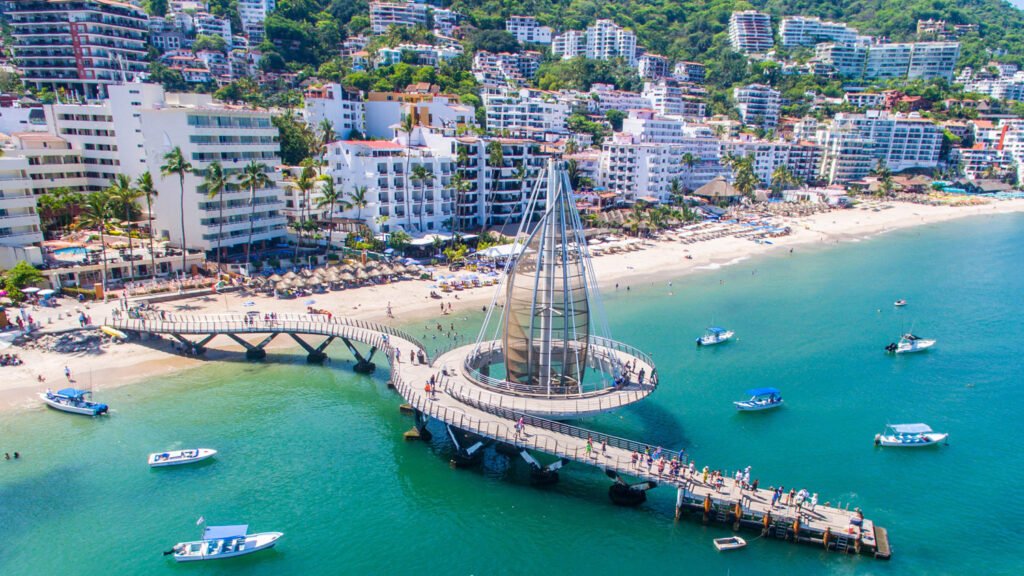
Vallarta offers plenty of free activities, including hiking to Mirador de la Cruz, strolling through the Romantic Zone/Los Muertos Pier, walking the Malecon, exploring beaches, and wandering Isla Rio Cuale. Are you seeking the ultimate insider’s guide to experiencing the best of Puerto Vallarta on a budget? Your search ends here! As a former resident of both Centro and Nuevo Vallarta for two years, I’ve already done the groundwork for you. Say goodbye to countless hours of internet research! Whether you have a week or just a few days to spare, you can effortlessly check off all five items on this curated list. The cherry on top? Every single experience comes at absolutely no cost to you. While indulging in a resort stay in Vallarta is a splendid means to relax and detach from the hustle and bustle of daily routines, it’s important to remember that there exists an entire realm of wonders beyond the confines of the resort gates. Vallarta, nestled in the captivating embrace of the Bay of Banderas, holds a wealth of hidden treasures just waiting to be explored. Venture beyond the boundaries of your resort, and you’ll discover a cornucopia of awe-inspiring experiences and breathtaking sights that will leave an indelible mark on your journey. So, let’s dive right in and uncover a few of the best FREE experiences that Puerto Vallarta has to offer! 1. Mirador de la Cruz If you’re up for the climb, visiting Mirador de la Cruz (the View Point) is an absolute must. The effort is well rewarded by the breathtaking panoramic view it offers. From this elevated vantage point, you can take in the entire expanse of Vallarta. The sight encompasses everything from whales gracefully breaching in the distance to the vibrant downtown area, the Hotel Zone, Marina, Nuevo Vallarta, and extends all the way to the scenic point of Punta Mita. To truly appreciate the city, venture to the backside of the cross where you’ll discover the tunnel that links the negihborhood of Agua Azul to Zona Romantica, and views of the largest neighborhood in Vallarta – Pitillal. Here, you’ll gain a comprehensive perspective of Vallarta as a whole, realizing its vastness and scale. Many visitors tend to confine themselves to the popular areas near the beach, unaware that the majority of locals reside on the opposite side of the main highway (highway 200) to the east. From the elevated viewpoint, you’ll not only grasp the size of Vallarta, but also gain an appreciation for the sheer magnitude of the Bay of Banderas. Without observing it from above, it’s difficult to comprehend the immense stretch of this bay. Spanning approximately 42 kilometers (26 miles) from Punta Mita in the north to Cabo Corrientes in the south, the Bay of Banderas encompasses an area of about 1,500 square kilometers (579 square miles). If you’re interested in embarking on this adventure, the starting point of the walk is located at the end of Gringo Gulch, an area known for its movie star residents. Simply head up the hill, slightly north from Cathedral de Guadalupe (the famous church with the grey crown). For your convenience, here is the Google Maps location of Mirador de la Cruz so you can navigate your way there. Enjoy the spectacular views! 2. Romantic Zone and Los Muertos Pier Next on the list is something I recommend doing both during the daylight with sunshine, and at night. Sunset is the ideal time to immerse yourself in the charm of Old Town while taking a leisurely beach stroll. As the sun dips below the horizon, it casts a gentle pink and orange glow on the hillside buildings, creating a captivating atmosphere. No visit to Vallarta is complete without exploring the place where its oldest roots lie. As tourism flourished in the late 1960s and early 1970s, thanks to the global recognition brought by the movie “Night of the Iguana,” the Romantic Zone (Old Town) witnessed the emergence of numerous buildings. Tourists flocked to the area, staying at beachfront resorts while admiring the architectural beauty and cobblestone streets that give Old Town its illustrious charm. The architecture in the Romantic Zone is a delightful fusion of traditional Mexican elements and contemporary designs. Colorful buildings, charming boutique hotels, inviting cafes, and captivating art galleries line the streets, inviting exploration. Moreover, the neighborhood is a haven for food enthusiasts, boasting a diverse culinary scene that caters to all tastes, from mouthwatering traditional Mexican street food to refined international cuisine. After the sun sets, the Romantic Zone comes alive with its vibrant nightlife, offering a variety of bars, clubs, and live music venues. The Romantic Zone also embraces a relaxed and bohemian ambiance, attracting a diverse mix of locals, expatriates, and tourists. The neighborhood fosters a welcoming and inclusive atmosphere, celebrating Mexican culture alongside international influences and a vibrant LGBT community. Muertos Beach, located within the Romantic Zone, beckons nearly all visitors to its sandy shores. As the most popular beach in Vallarta, it offers a picturesque setting for relaxation and recreation. At Muertos Beach, you’ll also find the iconic Los Muertos Pier. Situated in the heart of the Old Town district, the pier extends into the Bay of Banderas, providing breathtaking views of the water and the surrounding mountains. The Los Muertos Pier holds a special appeal for both tourists and locals, offering a delightful setting for leisurely strolls, scenic vistas, and people-watching. Along the pier, you’ll encounter an array of shops, restaurants, and bars, providing a diverse range of dining and entertainment options. Additionally, the pier showcases various art installations and public artwork, inviting exploration and appreciation of the city’s vibrant culture. A highlight of the Los Muertos Pier experience is witnessing its magnificent sunsets. The pier offers a prime location to observe the sun descending over the bay, attracting locals and visitors alike to gather and savor the evening spectacle. Fishing enthusiasts can also be spotted casting their lines off the pier in search of a catch. At
An Inside Detailed Look Into the Luxurious Four Seasons Resort: Punta Mita
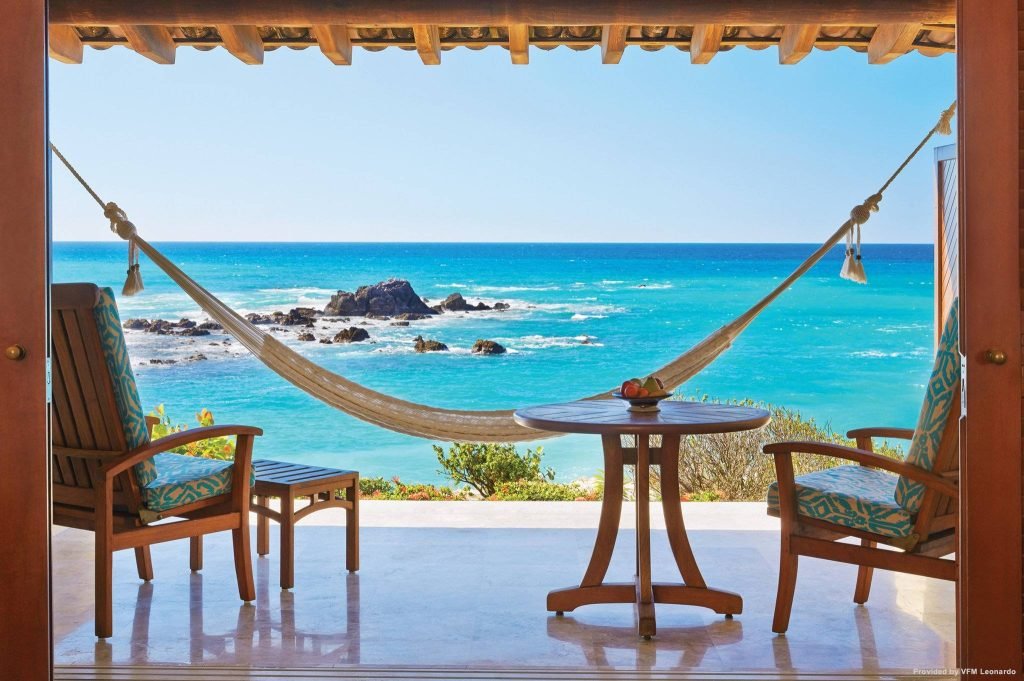
The Four Seasons Resort in Punta Mita stands out as one of Riviera Nayarit’s premier luxury destinations, offering unparalleled amenities and exceptional service that elevate the guest experience to new heights. If you want the most thorough tour the Four Seasons in Punta Mita before booking your trip, this article is for you. Nestled along the stunning shores of Punta Mita, Mexico, Four Seasons Resort Punta Mita sets the stage for an extraordinary escape. This exclusive resort offers a wealth of amenities, world-class golf, a range of activities, luxurious services, exquisite dining, pristine beaches, and a location that exudes privacy and exclusivity. Whether you’re seeking relaxation, adventure, or indulgence, Four Seasons Punta Mita promises an unforgettable experience. Let’s walk through some details of what this incredible resort is all about. Exquisite Amenities From the moment you arrive, you’ll be greeted by warm hospitality and surrounded by lush tropical gardens, stunning architecture, and breathtaking ocean views. Indulge in the tranquil Apuane Spa, offering a sanctuary for relaxation and rejuvenation with a range of treatments inspired by Mexican traditions. The resort also features multiple swimming pools, a fitness center, tennis courts, and access to two Jack Nicklaus-designed golf courses. The staff at the Four Seasons is second to none as well – which plays a huge role in the comfort and overall experience of staying at the Four Seasons. Golfing Paradise: For golf enthusiasts, Four Seasons Punta Mita is a dream come true. The resort offers access to two championship golf courses, Pacifico and Bahia. Pacifico is renowned for its famous “Tail of the Whale” hole, an optional par-3 island green that can only be reached by a scenic drive or by swimming during low tide. Bahia, on the other hand, presents a challenging yet enjoyable layout with breathtaking ocean vistas throughout the course. Tee off amidst stunning scenery and experience golfing at its finest. Abundant Activities From water sports to cultural excursions, Four Seasons Punta Mita presents an array of activities to cater to all interests. Explore the pristine waters with snorkeling, paddle-boarding, or kayaking adventures. Embark on a fishing excursion with Palmara Yacht Charters and try your luck at catching some of the region’s finest game fish. Discover the vibrant marine life while scuba diving or take a catamaran cruise along the coast. For those seeking cultural immersion, engage in local traditions, visit nearby villages, or participate in authentic cooking classes. Dining at the Four Seasons At Four Seasons Punta Mita, expect nothing less than exceptional service and unparalleled dining experiences. The attentive staff is dedicated to fulfilling your every need, ensuring that your stay is both seamless and extraordinary. Indulge in delectable cuisine at the resort’s diverse restaurants, each offering a unique culinary journey. Let’s talk a bit about each one: Aramara: Named after the indigenous Huichol word for “a magical place,” Aramara seamlessly blends elegant design, breathtaking ocean views, and exceptional cuisine.The menu at Aramara showcases a fusion of Asian and Latin American cuisines, resulting in a harmonious blend of flavors and textures. The culinary team at Aramara draws inspiration from the finest ingredients, creating dishes that are both visually stunning and tantalizing to the taste buds. From sushi and sashimi creations to flavorful ceviches and innovative small plates, every dish is a work of art. Aramara’s commitment to sourcing the freshest ingredients is evident in their menu, which features locally caught seafood, seasonal produce, and premium meats. The chefs expertly combine traditional techniques with modern culinary innovations, resulting in a symphony of flavors that will delight even the most discerning palates. 2. Bahia by Richard Sandoval: Undoubtedly the most popular restaurant at the resort, open from 6-10:30pm daily, this restaurant specializes in seafood and coastal Mexican cuisine, showcasing fresh and local ingredients to their utmost glory. The restaurant’s name, “Bahia,” meaning “bay” in Spanish, pays homage to its idyllic location overlooking the sparkling waters of Banderas Bay. The open-air design of the restaurant allows guests to immerse themselves in the natural beauty of the surroundings while enjoying their meal.Bahia features a menu that highlights the diverse culinary traditions of Mexico, with a focus on fresh, locally sourced ingredients. The talented chefs draw inspiration from the rich flavors and traditional techniques of Mexican cuisine to create dishes that are both authentic and innovative. From mouthwatering ceviches and flavorful tacos to savory enchiladas and grilled seafood, the menu showcases the best of Mexican gastronomy.Complementing the delicious food is an impressive selection of handcrafted cocktails, premium tequilas, and Mexican wines. The skilled mixologists at Bahia create refreshing and inventive drinks that perfectly complement the flavors of the cuisine, allowing guests to fully immerse themselves in the Mexican dining experience. 3. Tamai:”Tamai” in English translates to “gathering” or “to gather” in the local Huichol language. Located next to Apuane spa, this restaurant focuses on sushi and sashimi, as well as plant based asian inspired dishes. Beautifully crafted cocktails and fresh blended juices are made here as well. A perfect light snack/meal after a relaxing afternoon at the spa. 4. Tail of the Whale: Located near the golf course, this restaurant offers a more casual fare, serving breakfast and lunch. From a variety of egg dishes for their breakfast service, to fajitas, catch of the day, and tacos for lunch just to name a few menu items. 5. Dos Catrinas: The name “Dos Catrinas” is derived from the iconic Catrina figures of Mexican folklore, representing elegant and stylish women dressed in elaborate attire. This restaurant pays homage to the rich cultural heritage of Mexico, offering guests a truly immersive dining experience. The menu at Dos Catrinas showcases the diverse flavors of Mexico with a modern twist. The culinary team expertly crafts each dish using locally sourced ingredients, ensuring an authentic and memorable dining experience. From fresh seafood delicacies to traditional Mexican favorites, the menu is designed to satisfy every palate. Guests can indulge in flavorful ceviches, tender grilled meats, handmade tortillas, and an array of delectable desserts. In addition to its exceptional cuisine,
How A Small Fishing Village Called Mismaloya Transformed Puerto Vallarta Forever
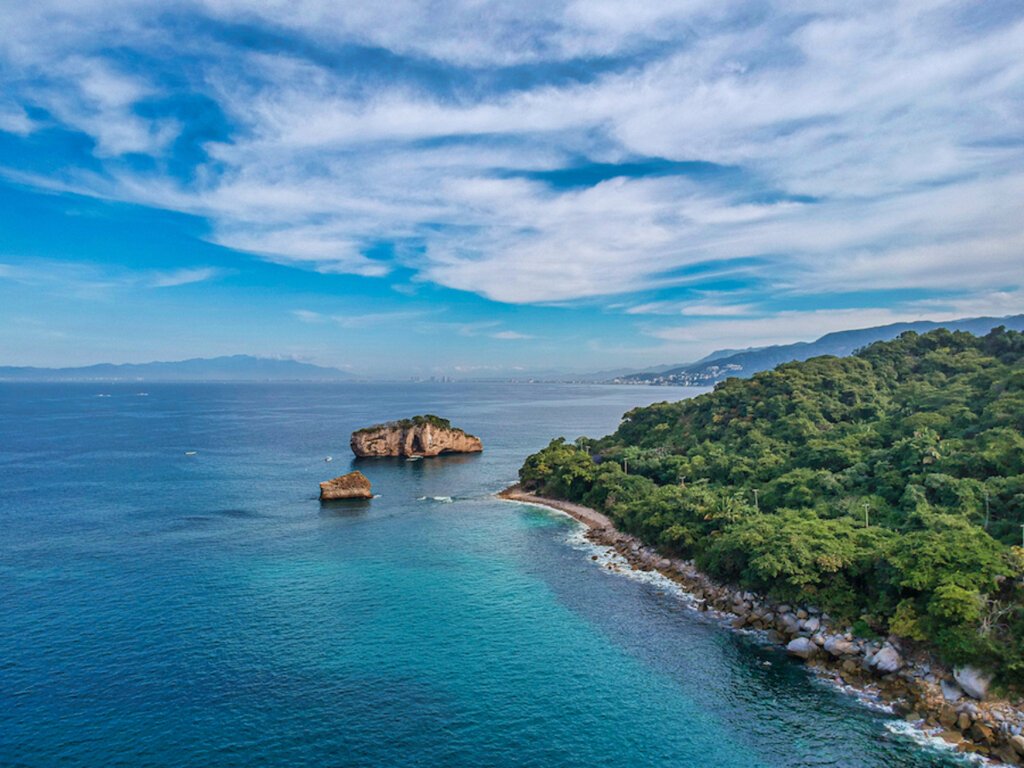
Mismaloya, a charming town near Puerto Vallarta, catapulted the region to international fame as the filming location for the iconic movie Night of the Iguana, directed by the legendary John Huston and starring Hollywood luminaries like Richard Burton who influenced Elizabeth Taylor to visit Puerto vallarta. This pivotal event forever transformed Vallarta, reshaping its identity and paving the way for its emergence as a premier tourist destination. First, let’s briefly talk about Mismaloya’s history. Mismaloya is a small town located in the state of Jalisco, Mexico. It is situated on the Pacific coast, about 13 kilometers (8 miles) south of Puerto Vallarta if you’re coming from Centro – so it’s easily accessible by car, bus, taxi etc. The town is known for its beautiful beaches, lush jungle, and bohemian atmosphere. But it was first inhabited many years before any of us knew about it! Here are some facts and history about Mismaloya, Jalisco: The name Mismaloya comes from the Nahuatl word “miztli,” meaning “jaguar,” and “malaya,” meaning “place of rest.” The town was originally inhabited by the Huichol people. The Huichol people, also known as the Wixáritari, are an indigenous group that resides primarily in the mountainous regions of the states of Jalisco, Nayarit, Zacatecas, and Durango in Mexico. They have a rich cultural heritage and maintain strong ties to their traditional way of life. The Spanish conquistadors arrived in Mismaloya in the 16th century. Mismaloya was once a small fishing village, known for its abundant seafood and beautiful natural surroundings. If you know where to look, you can find fresh lobster, crab, octopus, and shrimp in the water – just with a simple snorkeling mask and spear/net. With excellent rocks that graze the edges of it’s beaches, Mismaloya has excellent snorkeling condition, and has been some of my favorite moments in the water here on Mexico’s west coast. 5 Reasons Mismaloya Changed Puerto Vallarta Forever Movie Set on Location In the early 1960s, the town gained international fame when it was featured in the film “The Night of the Iguana,” starring Richard Burton and Ava Gardner. Why was this so important, well it was monumental for a number of reasons. Firstly, the movie showcased the breathtaking natural beauty of Puerto Vallarta. The film was shot on location in Mismaloya, and it highlighted the area’s picturesque landscapes, pristine beaches, and lush jungles. The film’s visuals captivated audiences worldwide and put Puerto Vallarta on the map as a stunning tropical destination. 2. Celebrity presence. The film starred several high-profile actors of the time, including Richard Burton, Ava Gardner, and Deborah Kerr. Their involvement in the movie generated immense media attention, drawing further interest in the film and its filming location. The presence of such renowned stars in Puerto Vallarta brought international exposure and glamour to the city. Notably, the widely publicized romantic affair between Richard Burton and Elizabeth Taylor played a pivotal role in changing the destiny of Puerto Vallarta. The couple fell in love with the city during the filming of ‘The Night of the Iguana’ and were so enamored that they decided to make it their home away from home. They went on to construct two iconic homes in what is now known as Gringo Gulch, a charming area just up the hill from Puerto Vallarta’s most famous landmark, the Cathedral de Guadalupe. The presence of Burton and Taylor in Puerto Vallarta sparked a wave of interest from other celebrities, who were drawn to the city’s unique charm and stunning views of the bay. This led to the development of prized real estate in the area, making Gringo Gulch a coveted neighborhood for those seeking an exclusive and picturesque setting. One of the notable features of Burton and Taylor’s homes was the small white bridge that connected them (now called Casa Kimberly). This whimsical and romantic touch became an iconic symbol of their love and is still visible today as you stroll along the cobblestone streets of Gringo Gulch. For those interested in getting a closer look, it is possible to tour these historic homes and even walk across the bridge, offering a glimpse into the glamorous past and the enduring allure of Puerto Vallarta. Embarking on a tour of these homes and experiencing the bridge firsthand are two incredible opportunities that allow you to delve into the captivating history and charm of Puerto Vallarta. It’s a chance to connect with the legacy of Burton and Taylor while immersing yourself in the beauty and allure of this enchanting coastal city. The best way to view this place is: Stay at the boutique hotel which was once Elizabeth Taylor’s (3 suites available). It runs an average of $1,000 a night depending on the time of year, so this price can range slightly up or down. This allows you access to the grounds and to do a walkthrough of the property while basking in the sunset ocean views from your own private hot tub jacuzzi on the terrace. This is the second best way to view the property. When you dine at “The Iguana,” one of Vallarta’s fine dining restaurants, you wont have as much access to the homes – but you get to soak up the night time ambiance of this historic home – now restaurant. Every Tuesday and Friday night a mariachi band plays in the atrium next to do fountain – a wonderful experience for all diners. Now, let’s get back to the reasons Mismaloya changed the course of Puerto Vallarta’s history forever. 3. International Recognition Leading to Tourism Tourism boom: Following the film’s release, Puerto Vallarta experienced a significant surge in tourism. Travelers who had been enchanted by the movie’s portrayal of the area’s beauty flocked to the city to witness it for themselves. The influx of tourists brought economic growth, investments in infrastructure, and the development of hotels, restaurants, and other amenities to cater to the growing number of visitors. This was the first time international eyes caught the sights of Puerto Vallarta, and
The Best Surf Spots In & Around Sayulita
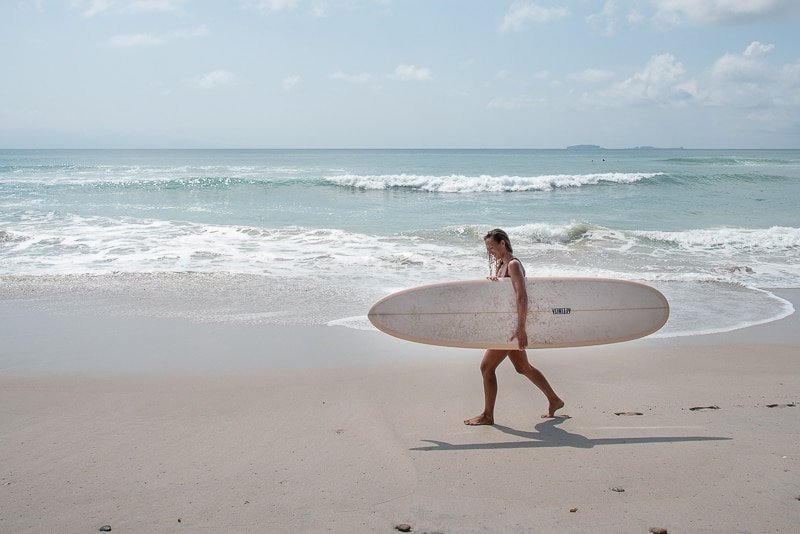
Sayulita has become the most famous surfing destination in the area, with travelers coming to Mexico just to spend their time in this surf town. However there are other beaches within a half hour proximity that boast great surf fol all levels as well. let’s go through them below. As mentioned, if we’re going to talk about where you can find the best surfing locations on Mexico’s west coast, we have to start with the most popular – Sayulita Sayulita is a popular surfing destination located on the Pacific coast of Mexico, in the state of Nayarit. It is known for its vibrant and bohemian atmosphere, attracting surfers of all levels. Sayulita has several beaches that offer different surfing experiences: 1. Sayulita Beach Sayulita’s main beach is a great spot for beginners and novice getting their feet wit in the surfing world. It features a sandy bottom and gentle waves, providing a friendly environment to learn and practice surfing skills. Surfing schools and rental shops are available in the area to assist beginners.The beach itself boasts a picturesque setting, framed by lush vegetation and swaying palm trees. Its golden sands extend for approximately 2 kilometers (1.24 miles), providing ample space for beachgoers to spread out and enjoy the coastal ambiance. The warm and inviting waters of the Pacific Ocean gently lap against the shore, creating a tranquil backdrop for leisurely walks or refreshing dips. Sayulita Beach offers something for everyone, from excellent surfing conditions, to sunbathers and families. Its waves cater to a range of skill levels, making it a popular destination for both beginners and experienced surfers. The consistent swells and favorable wind conditions make Sayulita an ideal spot to catch a wave and experience the thrill of riding the ocean’s energy. Beyond surfing, visitors can engage in a variety of beach activities. Snorkeling enthusiasts can explore the vibrant underwater world and discover colorful marine life in the crystal-clear waters. Stand-up paddleboarding and kayaking are also popular options, allowing individuals to explore the coastline from a different perspective. Now let’s not forget about all the time spent away from the ocean, particularly at night when the sun goes down. What makes Sayulita so special? For starters, the streets are filled with colorful buildings, eclectic shops, and lively cafes, creating a lively and artistic ambiance. The town embraces a relaxed and carefree lifestyle, where flip-flops and surfboards are the norm. Sayulita is a place where people come to unwind, connect with nature, and immerse themselves in the rich local culture. The beachfront area of Sayulita is vibrant and lively, with numerous beachside bars, restaurants, and cafes. Here, you can indulge in delicious Mexican cuisine, sip on refreshing cocktails, or simply unwind while enjoying the breathtaking ocean views. The laid-back atmosphere and friendly locals contribute to the town’s welcoming and bohemian vibe, creating a sense of community and warmth. Sayulita Beach is not just a place for recreation but also a hub for cultural experiences. Local artisans set up stalls along the beach, showcasing their handcrafted jewelry, clothing, and artwork. Browsing through these markets provides an opportunity to immerse oneself in the vibrant local culture and bring home unique souvenirs. More Waves to Surf In Sayulita 2. Playa de los Muertos: Located just south of Sayulita’s main beach, Playa de los Muertos offers a more advanced surfing experience. The waves here can be larger and more powerful, attracting intermediate and advanced surfers. Here you’ll find a lot of experienced surfers with more long board Additionally, Playa de los Muertos, located in Sayulita, Mexico, is a hidden gem waiting to be discovered by those seeking a tranquil and picturesque beach experience. Translating to “Beach of the Dead” in English, this beach may have an eerie name, but it is far from somber. Instead, it offers a serene and idyllic setting that showcases the natural beauty of the Riviera Nayarit. As you approach Playa de los Muertos, you’ll find yourself enchanted by its unspoiled charm. The beach is nestled between rocky cliffs, creating a secluded cove that feels like a secluded oasis away from the bustling crowds. The jagged cliffs provide a dramatic backdrop, adding to the beach’s allure and creating a sense of seclusion. The beach itself is relatively small, but it exudes a tranquil and intimate atmosphere. The golden sand invites you to sink your toes in and bask in the warm sun, while the crystal-clear waters of the Pacific Ocean beckon you for a refreshing swim. The gentle waves lap against the shore, creating a soothing soundtrack that complements the beach’s peaceful ambiance. One of the standout features of Playa de los Muertos is its captivating rock formations. As you explore the beach, you’ll encounter intriguing rock formations that jut out of the sand and water, adding a touch of natural beauty and creating a picturesque backdrop for memorable photos. Snorkeling enthusiasts will delight in the underwater world that Playa de los Muertos has to offer. The rocky formations near the shore create an ideal habitat for colorful marine life, making it a fantastic spot for snorkeling and observing the vibrant underwater ecosystem. While Playa de los Muertos offers a serene escape, it’s important to note that there are limited amenities on the beach. It’s recommended to bring your own snacks, water, and shade, as there may not be as many vendors or facilities as you’ll find on more developed beaches. Punta de Mita Punta Mita is a luxurious coastal resort area situated on a peninsula in the state of Nayarit. It offers a variety of surf breaks suitable for different skill levels. Located just 20-30 mins (traffic dependent) from Sayulita is the tip of Banderas Bay – Punta de Mita, which has been growing in recent years as another viable option for surfers of all kinds. Let’s start with out favorite beach in the area, La Lancha. 3. La Lancha La Lancha is a renowned surf spot near Punta Mita that caters to more
Majahuitas Beach Club: Where Serenity Meets Stunning Natural Beauty
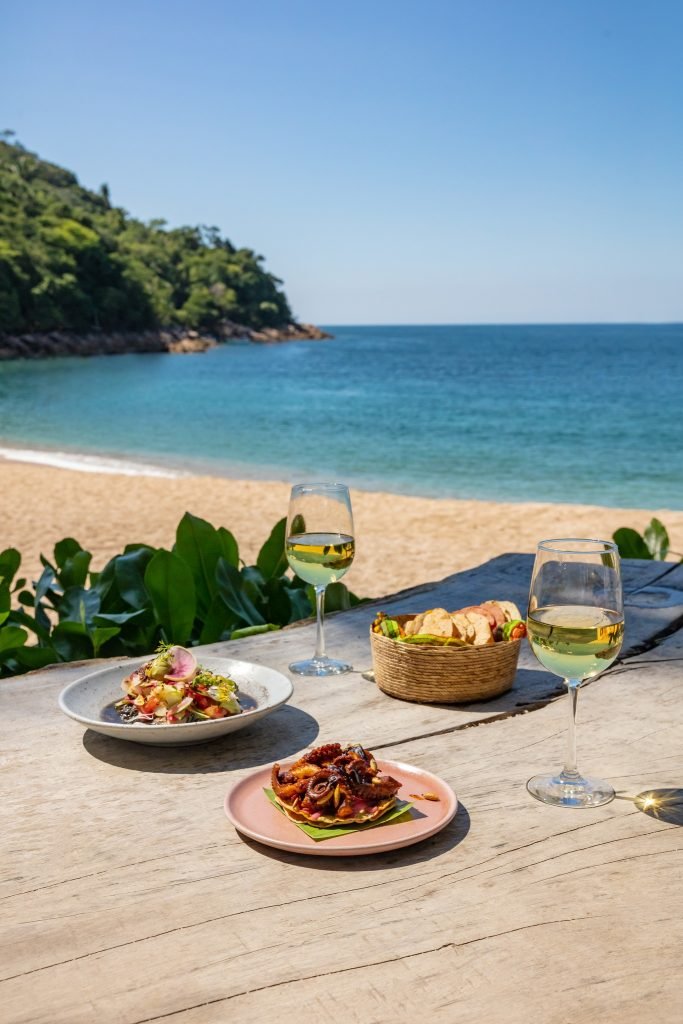
How Do You Get to Majahuitas Beach? Majahuitas is a small secluded beach located about 10 miles south of Puerto Vallarta, Mexico and is only accessible by boat. With its limited access, it makes for the perfect escape from the hustle and bustle of the city. During the day, Majahuitas is a tranquil and serene paradise, offering visitors the chance to relax and unwind in a pristine natural setting. At night, the beach comes alive with the sounds of live music, dancing, and socializing around a bonfire and tiki torches. Some enjoy spending a full day at Majahuitas, while others stop by on their way to beautiful Yelapa. Either way, when you set your eyes on this small remote location – you’ll see why so many people make a full day of it. Once you arrive at Majahuitas, you can explore the cove and beach, and enjoy the beautiful surroundings. The cove is small and secluded – the beach is a narrow strip of golden sand, surrounded by rocky cliffs and lush vegetation. The water is crystal clear and warm which makes for great for swimming and snorkelling. We can confirm, the snorkeling here is some of the best in the entire Bay of Banderas swimming with all kinds of tropical fish, octopus, turtles, rays, and more! The beach is surrounded by lush jungle and is known for its peaceful and tranquil atmosphere, making it a great place to relax and unwind. There are a few small restaurants and bars on the beach, but it is generally quite secluded so it is recommended to bring your own food and drinks. Majahuitas Beach During the day, Majahuitas is a perfect place to escape the crowds and enjoy the natural beauty of Puerto Vallarta. The crystal-clear waters are perfect for swimming, snorkeling, and paddle boarding, while the sandy beach is ideal for sunbathing and lounging. Visitors can also take a hike along the shoreline or explore the nearby jungle trails. One of the highlights of Majahuitas is the snorkeling. The waters are teeming with colorful fish and other marine life, and visitors can rent snorkeling equipment or take a guided tour to explore the underwater world. Kayaking is another popular activity, with visitors able to rent kayaks and explore the coves and inlets that dot the shoreline. The reason for such beautiful wanters and jungle landscape is because there has been no commercial development here – allowing you to fully immerse yourself in a secluded beach completely unspoiled by human development. For those who prefer to stay on dry land, there are plenty of options as well. Visitors can relax on the beach and soak up the sun, take a stroll along the shoreline, or hike through the jungle to explore the natural beauty of the area. There are also plenty of opportunities for wildlife watching, with the beach and surrounding jungle home to a wide variety of birds and other creatures. One of the highlights of Majahuitas is its breathtaking sunsets. As the day comes to a close, the sky transforms into a canvas of vibrant hues, casting a golden glow over the beach and creating a truly magical atmosphere. Majahuitas Beach Club As the sun sets, the beach comes alive with a vibrant nightlife scene. Majahuitas is famous for its beach parties, with live music, dancing, and socializing lasting well into the night. The party is known for its lively atmosphere and the entertainment is usually provided by a DJ, who will play a mix of Latin and international music to keep the party going all night. There’s also often a bar service, where you can purchase drinks and refreshments. Feel free to visit their website if you’re interested in finding out who’s scheduled to perform at the beach club. This certainly is a must-do experience if you have never been to Puerto Vallarta before, or if you have – a wonderful way to meet new people and let loose for a night if going out to a club isn’t your thing. Plan your trip back ahead of time here however, because its secluded, and things can get more complicated to get back to Yelapa or PV in the dark (especially if you don’t speak Spanish). So if you plan to party here, just be prepared with your transportation ahead of time, allowing you to enjoy the evening and soak in the atmosphere with peace of mind. One of the most popular activities at Majahuitas is the sunset cruise. Visitors can charter a yacht or catamaran and sail along the coastline, taking in the stunning views of the sun setting over the Pacific Ocean. As the sun dips below the horizon, the sky turns shades of pink, orange, and red, creating a breathtaking natural spectacle. Getting Home From Majahuitas Since the beach is secluded and only accessible by boat, the party does end earlier than other venues so people can get back home at a reasonable time. But that doesn’t mean the festivities need to end for the night! Arriving back in Puerto Vallarta, the city’s vibrant energy welcomes you once more. Whether you choose to continue the night with more revelry, savor a late-night meal at a local eatery, or retreat to the comfort of your accommodations, you can relish in the knowledge that you’ve experienced the best of both worlds—the serenity of Majahuitas and the lively atmosphere of Puerto Vallarta. So, let yourself be whisked away on a boat or yacht, immersing yourself in the breathtaking beauty of Majahuitas by day and savoring its captivating allure by night. We make it easy to book a yacht with us and make sure everything is taken care of well in advance so you can relax and soak in the moment. Let the journey back to Puerto Vallarta be a reflection of the memories you’ve created—a blissful and unforgettable experience that will forever hold a special place in your heart. For ALL other things Vallarta, don’t forget to download
5 Helpful Tips When FISHING in Puerto Vallarta
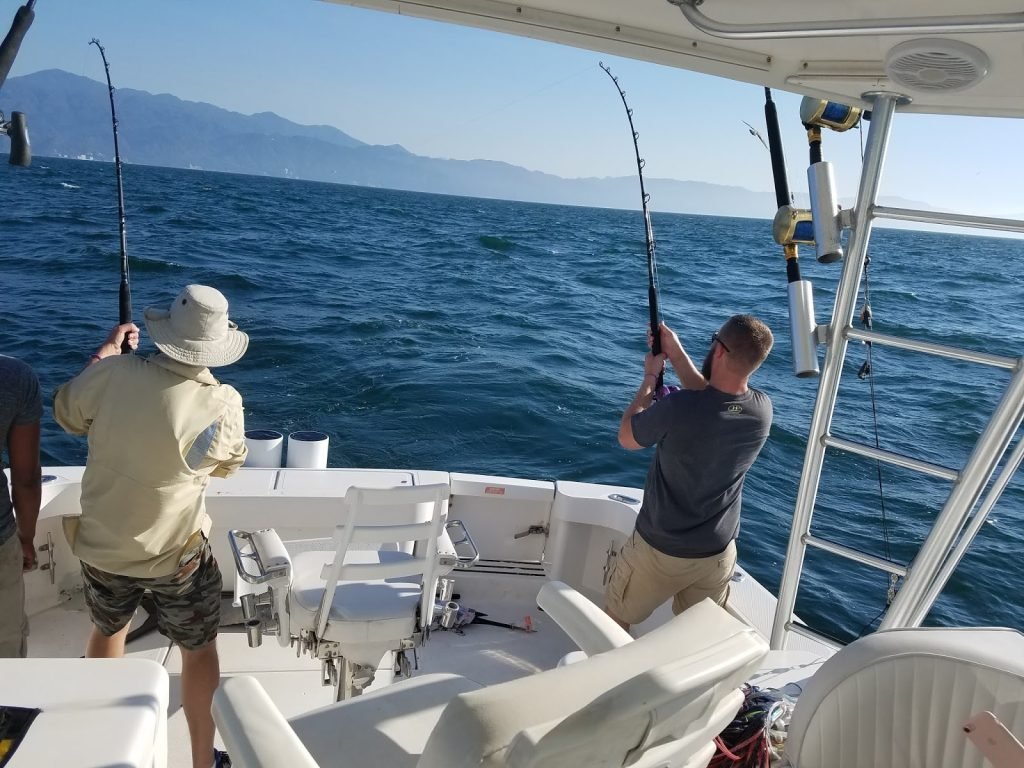
Does Puerto Vallarta Have Good Fishing? Puerto Vallarta’s waters offer a unique fishing experience, teeming with a diverse range of species, from Mahi-mahi (dorado) to impressive sport fish like Sailfish. Fishing in Puerto Vallarta is an incredible location for many sport fishing enthusiasts and those looking to simply enjoy a fishing charter for fun. It’s a big reason why many people visit here every year believe it or not! Thanks to Vallarta’s location on Mexico’s Pacific coast and calmer waters due to the bay, the abundance of fish species found in its warm waters is plentiful. Let’s dive into some specifics about what it’s like fishing in Puerto Vallarta, including the best times to fish, tips on making the most out of your fishing trip, what species you may see/catch, and what many of these fish are best used for if you’ve caught any of them. Best Months to Fish in Puerto Vallarta The best time for fishing in Puerto Vallarta is from November to June, which is considered the high season. During this period, the water is warmer and calmer, and there are more fish in the area. However, fishing can still be good throughout the year, with different species being available during different seasons. Various other species become more abundant in the off months from July-October, but this isnt a time when most tourists and fishing enthusiasts are in the area anyways, so the timing of Vallarta’s fishing season works out perfectly! But let’s talk about the most common species you’ll find here in the bay when fishing in Puerto Vallarta. Some of the most popular fish species that can be caught in the waters around Puerto Vallarta include marlin, yellowfin tuna, dorado (mahi-mahi), roosterfish, and snapper, and even pacific bluefin tuna – although that’s rare. Below we’ll show you a chart that gives you a great visual of each fish and its corresponding months theyre plentiful, and then we can talk about each one in some detail. Sailfish These are the ultimate trophy fish! When fishing in Puerto Vallarta, it’s certainly possible to find one of these, but likely not within the bay. For this catch, you’ll need to head outside of the bay into deeper open ocean. Their habitat is mostly in open ocean, however they tend to stay closer to the surface. Sailfish are large, with the ability to grow up to 11 feet (3.4 meters) in length and weigh up to 220 pounds (100 kilograms). So if one of these guys bites onto your line, be prepared for a long battle to the finish line. They feed on large schools of fish such as sardines and mackerel, while also regularly feasting on squid. They’re also known to be solitary hunters and rarely travel in packs, so if you see more than one – consider yourself lucky! However the most interesting characteristic about sailfish has to be their insane speed. Clocking in at speeds of up to 68 miles per hour (110 kilometers per hour), this fish is faster than a cheetah running at full speed by a whole 6.2 mph (10 km/h). Marlin – Blue, Black, and Striped Whats even faster than a sailfish? A marlin. Unbelievably quick, these fish can swim at speeds ranging from 50 to 82 miles per hour (80 to 132 kilometers per hour). Thats staggering, which means catching them can be quite the challenge. Along with sailfish, black marlin fall under the umbrella of “trophy fish” for how difficult they are to catch. It takes skill, knowledge of the sea, and some serious determination to reel a marlin in. Fish like marlin take not only skill from the angler (fisherman), but also the captain to direct the boat properly during the fight, and the deckhands/others on board. This battle can take anywhere from 20 minutes to several hours of pulling and pulling until that fish is finally in the boat. A true adrenaline rush and what every angler strives to experience when fishing in Puerto Vallarta. Roosterfish: Recognizable by its distinctive comb-like dorsal fin, roosterfish is a thrilling challenge for sports fishermen. Catch and release is encouraged for these magnificent creatures, as they are not typically consumed. What makes these fish easy to catch compared to others on this list is their love for shallow habitats. Normally found near the surface around rocky areas, making it excellent hunting ground when fishing in Puerto Vallarta. Sport fisherman love the challenge of reeling in a roosterfish due to their tenacity and acrobatic displays. Wahoo Wahoo is the named after the sound most people make when they catch one of these fish. No I’m kidding thats a bad dad joke, but what is true is this magnificent fish is abundant during high season – making it a likely catch if you’re spending time on the water during those winter months. Not unlike the other fish mentioned above, this is another super fast fish, clocking in at speeds of 60 mph (97 kmh) at their top speeds. They’re known for their voracious hunting style when killing their prey such as smaller fish and squid, due to their large sharp teeth. Sizes range from 20 pounds to a whopping 100 pounds. This is a wonderful fish for sushi and sashimi because of their hard texture and mild flavor. Red Snapper A prized catch in the bay, red snapper is known for its sweet, mild-flavored flesh. Anglers often target them using bottom fishing techniques. One of the best parts of fishing in Puerto Vallarta is red snapper are one of the few fish that remain abundant all year round. With consistent month over month healthy levels of this species. roaming the warm waters of Banderas Bay. These fish can surprisingly live up to 50 years, and are found in warm waters at depths of 30-200 feet roaming reefs and rocky bottoms. The exciting part of a red snapper is their variation in size because they vary so much. Normally you’ll see an
10 Best Taco Varieties in Puerto Vallarta You Must Try
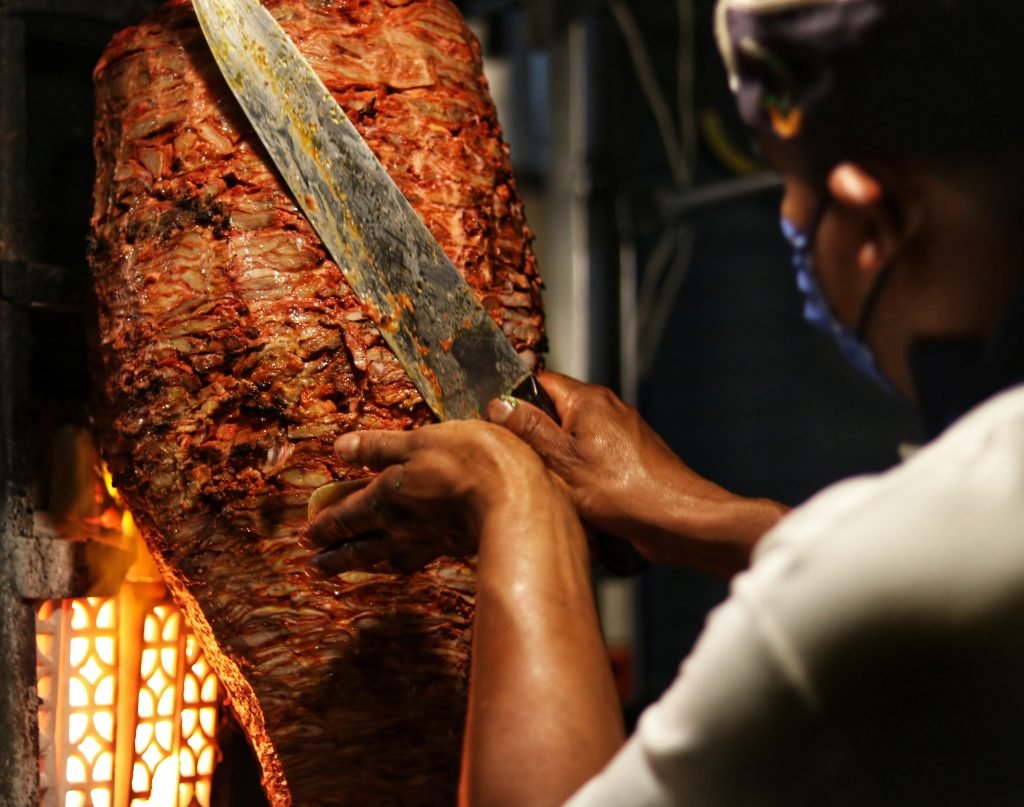
10 Best Tacos in Puerto Vallarta You Must Try Puerto Vallarta is home to Mexican’s from around the country, which have brought a wide variety of taco’s and Mexican cuisine to the city. One of the most popular types of food in Puerto Vallarta is tacos, which can be found all throughout the city with tons of variety. Both street tacos and countless restaurants will have their own variety of tacos. You likely dont have time to try them all, but you can do your best! The most traditional street taco in Puerto Vallarta is the “al pastor” taco, made with marinated pork, cooked on a vertical spit similar to shawarma. The meat is thinly sliced and served on a small corn tortilla with cilantro, onions, and a squeeze of lime. Another popular street taco is the “carnitas” taco, made with slow-cooked pork that is crispy on the outside and tender on the inside. It’s usually served with salsa and lime. There are endless restaurants that serve incredible pastor – but without a doubt our favorite one is Sonorita’s in Nuevo Vallarta. The amount of pastor meat that comes in every taco is unmatched. Then there’s tacos de birria, which is a type of meat stew (beef or goat/lamb usually) that is cooked with a variety of chiles and spices, which gives it a rich red color. The dish is often used to make tacos, which are made by filling tortillas with the juicy meat from the stew. The tortillas are then fried in a small amount of the fat that rises to the top of the stew, giving them a crispy texture and appearance (known as “dorado” in Spanish – which translated means “golden” in English). When served, the tacos are typically accompanied by a flavorful broth from the stew called “consomè,”, and are garnished with fresh onions and cilantro. This has certainly become one of my personal favorite things to eat in town, and Im not normally a big fan of soups, but the rich flavor of this broth is unmatched. There are several incredible places around the city with this type of taco – our favorite location being just behind the malecon in Centro called Taqueria de Birria El Banquito. For seafood lovers, Puerto Vallarta offers a variety of options such as ceviche, seafood cocktails, and fish tacos. The ceviche is made with raw seafood (like Spanish Mackerel or shrimp in many cases) that is marinated in lime juice and mixed with diced tomatoes, onions, cilantro, and jalapeño. The seafood cocktail is usually served in a large glass and consists of mixed seafood such as shrimp, octopus, and crab mixed with a tomato and lime juice. Fish tacos are a very popular dish in Puerto Vallarta too, usually made from grilled freshly caught Mahi-Mahi or Tilapia, and served with a variety of toppings such as different salsas and lime. If we were to mention all of the varieties of tacos just in Puerto Vallarta, it would quickly add up to the length of a small novel. But these are certainly the must-try tacos in the city and in the bay of Banderas. However I must mention these tacos too are excellent and all worth trying if you’re able to see them on your adventures: Arrachera – arrachera is a well-known cut of beef in Mexico, typically found in high-end taco restaurants and is often the most expensive option on the menu. It is made from flank steak, which is thinly sliced and cooked to be slightly pink in the middle. The steak is then cut into strips and served on a tortilla. This type of taco is particularly popular in Northern cities like Tijuana and Monterrey, but can also be found in upscale taco restaurants in Mexico City, Guadalajara, and Puerto Vallarta. There are many places around the city that offer this meat, but its not the most common because it’s usually one of the pricier options. Bistec – Bistec is a type of street taco that is made with steak. The steak is usually sliced thinly and cooked quickly on a flat top griddle. It’s a simple taco that is commonly offered by most taco vendors. It’s usually served with either cooked small white onions or raw white onions and cilantro. If you’re looking for a more basic option, you can find a decent bistec taco at most taco stands. Barbacoa – barbacoa is a method of cooking where meat is roasted over a long period of time in a pit or open fire. In recent times, barbacoa mostly refers to a specific type of taco that is made differently in different regions of the country. Traditionally, it is made with sheep or goat meat, but it can also be made with beef. This type of taco is typically considered a delicacy and is often served at big parties or celebrations. It is not typically a regular dish as it takes a long time to prepare. Suadero – suadero is a type of beef that comes from a specific part of the cow, located between the leg and belly. It’s generally slow-cooked together with other cuts of meat in animal fat. The result is a meat that is very tender, with a texture similar to room temperature butter. It has a strong beef flavor and can be a bit greasy due to the fat from the meat. Carnitas – carnitas, also known as “little meats,” is a type of taco filling made from pork. The pork is slow-cooked, using a wide range of cuts, including the nose and tail. The meat is typically served in different ways, the most common is to ask for maciza, which includes white meat cuts such as loin, chops, and chamorro (shank). A great place to try for this type of taco is called Tacos Goyo Bahia de Banderas. Tacos Dorados – tacos dorados are similar to hard shell tacos, and are often filled with a
Where is Mayto and Is It Worth the Journey There?
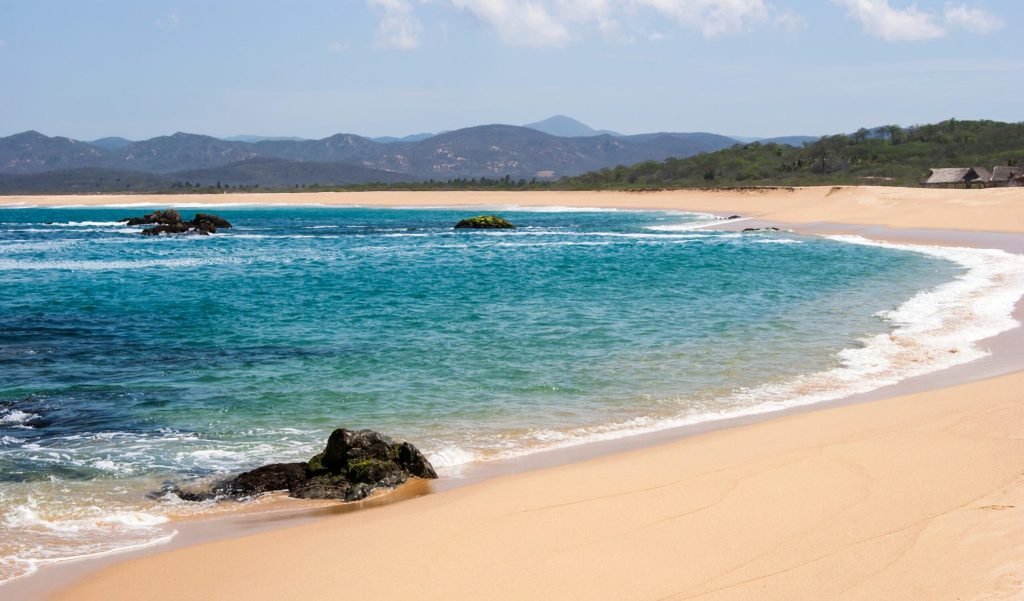
Mayto, located several hours south of Puerto Vallarta by car or accessible by boat outside the Bay of Banderas, is well worth the trip if you have a night or two to explore and experience the charm of this small coastal town. This small town may just be the biggest hidden gem that remains close to Puerto Vallarta. While millions of people flock to the shores of Puerto Vallarta each year, it’s only in the hundreds of people per year that manage to find Mayto. It begins with most simply unaware of this hidden oasis tucked around the point of Banderas Bay – but when more people do in fact realize what this place is like. It may not be hidden for much longer. Tehaumixtle Before we get to Mayto, let’s talk about a destination you’ll likely come across before arriving to Mayto. The charming little fishing town of Tehuamixtle. Tehuamixtle is a small fishing village situated on the Pacific coast of Mexico, in the municipality of Cabo Corrientes. It is known for its tranquil atmosphere, pristine beaches, and authentic Mexican charm. Here are some key features and attractions of Tehuamixtle that are worth the trip to experience: Beaches: Tehuamixtle is blessed with gorgeous sandy beaches and crystal-clear waters. Playa Tehuamixtle, the main beach, is perfect for swimming, sunbathing, and enjoying stunning sunsets. The beach is surrounded by lush tropical vegetation and offers a serene and secluded setting. Stay within the inlet however, as the nearby waters are far too strong for 99% of swimmers and have a dangerous under-toe. Fishing Village: Tehuamixtle has maintained its traditional fishing village vibe, with local fishermen going out to sea daily to catch fresh seafood. Visitors can witness the vibrant fishing activity and experience the authentic coastal lifestyle. Fresh Seafood: Tehuamixtle is renowned for its delicious seafood dishes. Visitors can savour an array of fresh catches, including shrimp, red snapper, lobster, and octopus, prepared in traditional Mexican recipes. You can bet anything you eat here will be caught that same day – cant beat that freshness! Whale Watching: Tehuamixtle is part of the migration route for humpback whales. During the winter months (December-March), visitors have the opportunity to witness these majestic creatures as they pass by the coast. Whale-watching tours can be arranged to observe these incredible marine mammals up close. However if you’re chartering your course towards Mayto, you will likely see whales along the way during those months. There’s also a high chance of viewing turtles and dolphins swimming on the surface. Ecotourism: The surrounding area of Tehuamixtle is rich in natural beauty, making it an excellent destination for ecotourism. Explore the lush jungles, hike through scenic trails, and discover hidden waterfalls in the nearby Sierra de Vallejo. Talk to us at Palmara Charters to learn more about Tehuamixtle. It’s possible to reach here by car, at only 100km away from Vallarta, it will take approximately 2 hours and 40 mins drive to reach Tehuamixtle. Mayto Mayto is another picturesque coastal village located in the Cabo Corrientes municipality, Jalisco. It is known for its pristine beaches, abundant wildlife, and peaceful ambiance. Its still relatively unknown by most, so development hasn’t quite hit Mayto yet. But thats changing as we speak. Luckily there is accommodation there once you arrive, feel free to check out the Hotel Mayto. Of course if you’re taking a boat you can stay overnight on the vessel. Here are some highlights of Mayto you won’t want to miss out on: Playa Mayto: Mayto boasts an expansive and untouched beach known as Playa Mayto. This long stretch of golden sand offers a tranquil escape away from the crowds, perfect for leisurely walks, sunbathing, and swimming in the azure waters. Turtle Sanctuary: Mayto is home to a sea turtle sanctuary dedicated to the conservation and protection of these endangered creatures. Visitors can participate in turtle release programs and learn about the efforts to preserve their natural habitat. Bird Watching: Mayto is a haven for bird enthusiasts. The village is surrounded by diverse ecosystems, including mangroves, estuaries, and tropical forests, attracting a wide variety of bird species. Birdwatchers can spot colorful tropical birds and migratory species in their natural habitats. Star Gazing: The night sky above Mayto unfolds an awe-inspiring spectacle, offering a celestial panorama untouched by the lights of Vallarta. On certain nights, the fortunate observer might be treated to a breathtaking display of thousands of stars, visible to the naked eye. This magical moment alone justifies the entire journey to Mayto. In a world dominated by bustling and densely populated cities, we often overlook the stars that quietly dot our skies. The inability to see them amidst the city lights causes us to forget about their existence. However, I believe there’s no greater act of self-reflection than gazing into the vastness of space and time, appreciating the brilliance of the starry night sky. Mayto serves as a sanctuary for this purpose, a majestic haven for relaxation and reconnection with nature. It prompts a gentle reminder of what truly matters – the tranquility of life, a rare commodity in a world where the rat race propels us forward at breakneck speeds, often causing us to lose sight of our purpose on this planet. For me, it’s the serenity, the nocturnal expanse, and the ability to peer into the boundless ocean, moonlight shimmering across its surface, that provide the perfect backdrop for deep introspection. Mayto, even during the daylight hours, extends a warm invitation to revel in its natural beauty. Whether you’re snorkeling, fishing, or indulging in delectable cuisine (especially aboard our yachts), Mayto ensures you feel not just comfortable but truly at home in its more secluded embrace. While you have the option to drive to Mayto, sailing on a yacht or boat presents the optimal mode of transportation, allowing you to immerse yourself fully in the extraordinary experience. Surfing and Water Activities: The beaches of Mayto offer excellent opportunities for surfing, bodyboarding, and other water sports.
When Is the Best Time To Go Whale Watching in Puerto Vallarta?
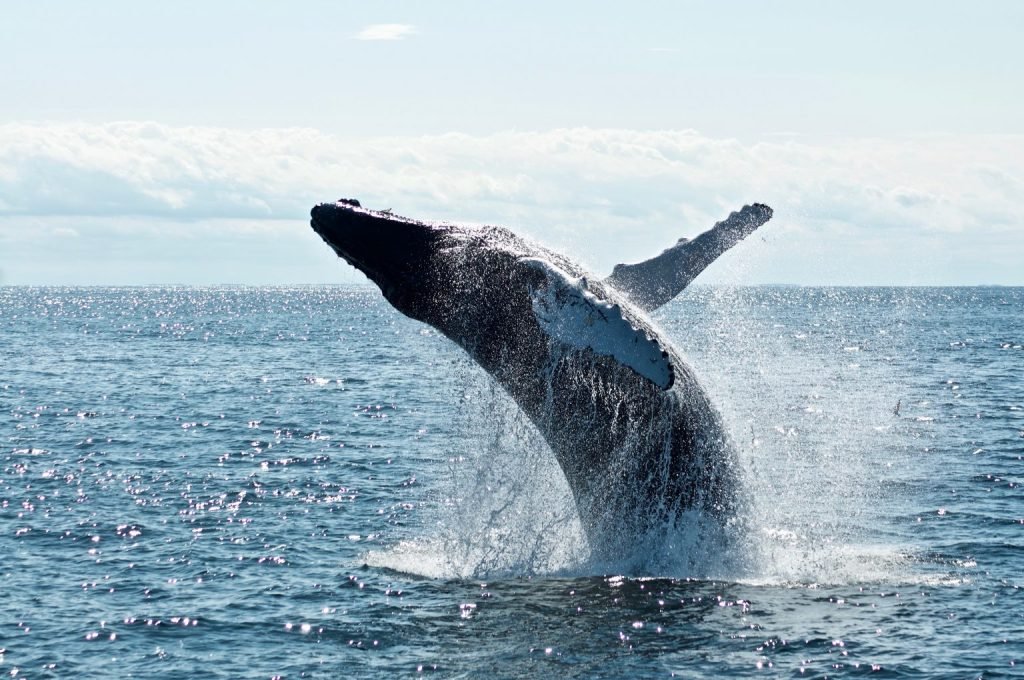
From early December to mid-March is the best time to go whale watching in Puerto Vallarta, since this is when the humpbacks come to breed and give birth. Banderas Bay is renowned for its abundance of humpback whales. These gentle giants migrate from the cold waters of the North Pacific to the warmer, more tranquil waters of Mexico’s Pacific coast. Bahía de Banderas provides an ideal environment for mating, calving, and nurturing their young due to its relatively shallow and protected waters. This breathtaking spectacle provides us with an opportunity to observe these magnificent creatures up close. While you can spot the whales from the shore by the water plumes coming from their blowholes, the best way to see them is undoubtedly on a whale watching tour or a private charter. Numerous companies offer these tours, which typically last around three hours. However, if you prefer a more exclusive and customized experience, we suggest arranging a charter with us. This way, you can enjoy being in a smaller group setting and have greater control over where the boat goes, which is especially useful for photography and videography looking for the perfect shot. Watching a whale breach from a close distance in a boat is an awe-inspiring and unforgettable experience. Witnessing a massive humpback launch itself out of the water and splash down is thrilling yet humbling. Depending on the boat’s proximity to the whale, you may even hear its breath as it breaches and the sound of its body hitting the water. Thankfully, Puerto Vallarta’s weather is typically ideal during whale watching season, ensuring your comfort while aboard and clear water conditions for observing whales beneath the surface too. The regulations for whale watching in Puerto Vallarta, Mexico require boats to maintain a distance of at least 60 feet (18 meters) from whales. This is to ensure the safety of both the whales and the passengers, and to minimize disturbance to the animals and their natural habitat. On a whale watching tour, visitors can expect to see a variety of whale behaviors, including breaching, tail slapping, and singing. Hearing a whale communicate is equally as interesting as watching it breach. Nothing like you’ve ever heard before, except on the Discovery Channel. Whale Watching in Puerto Vallarta – 5 Interesting Humpback Whale Facts Humpback whales have a gestation period of around 11 months, and their calves are born weighing around a ton and measuring 12-16 feet in length. Adult humpback whales are one of the largest species of baleen whales, with adults reaching lengths of up to 50 feet (15 meters) and weighing up to 40 tons. This weight is due to eating up to 3,000 pounds (1,360 kg) of food per day during the feeding season. These whales are known for their long, complex songs, which can last up to 20 minutes and are sung by male whales during the breeding season. Humpback whales are found in all of the world’s major oceans and typically migrate between their feeding and breeding grounds each year, traveling up to 16,000 miles (25,000 km) in some cases. Females give birth to a single calf every 2-3 years, which they nurse for around a year before weaning them. Now the question most people wonder, “Why do humpback whales breach the way they do?“ Answer: Even after years of whale watching, there is still not a clearly defined answer to this phenomenon. One theory is that breaching is a form of communication or a way to signal to other whales in the area. It may also be a way to attract a mate during the breeding season, as breaching is more commonly observed during this time. Another theory is that breaching may help to dislodge parasites or other irritants from the whale’s skin, as breaching often involves the whale slapping its body back down onto the water’s surface. Breaching may also simply be a way for humpback whales to play and have fun. Observations of young whales engaging in breaching behavior support this theory. Overall, breaching is likely a complex behavior with multiple possible functions, and it may serve different purposes depending on the situation and context in which it occurs. Aside from humpback whales, other whale species that can be spotted in Banderas Bay include Bryde’s whales, killer whales (orcas), pilot whales, and occasionally sperm whales. However, sightings of these species are less frequent compared to humpback whales. It’s also worth noting that during certain times of the year, other marine animals such as dolphins and sea turtles can also be seen in Banderas Bay. Let’s go over these other whales species in a bit more detail: Bryde’s Whales Bryde’s Whales: pronounced “broo-das,” are baleen whales that are found in warm, tropical waters around the world, including the waters of Banderas Bay in Mexico. They are named after a Norwegian whaler, Johan Bryde, who helped develop the modern whaling industry in South Africa in the early 1900s. Bryde’s whales can grow up to 50 feet (15 meters) in length and weigh as much as 40,000 pounds (18,000 kilograms). They have a sleek, streamlined body with a pointed snout, and a distinctive three-ridge structure on their head. These whales feed on small fish and krill, and are known for their agility and speed when hunting. They often feed alone or in small groups, and can be seen breaching, spy-hopping, and tail-slapping. While Bryde’s whales are not as well-known as some of the larger whale species, they are still an important part of the marine ecosystem and a fascinating animal to observe in their natural habitat. Pilot Whales Pilot Whales: the pilot whale, also known as the long-finned pilot whale, is a species of toothed whale that is found in all the world’s oceans, primarily in deep offshore waters. They are named after their long, sickle-shaped dorsal fin, which distinguishes them from other similar whale species. Pilot whales are highly social animals and typically travel in groups called pods, which can number from a
Key Things to Know Before Visiting the Marietas Islands
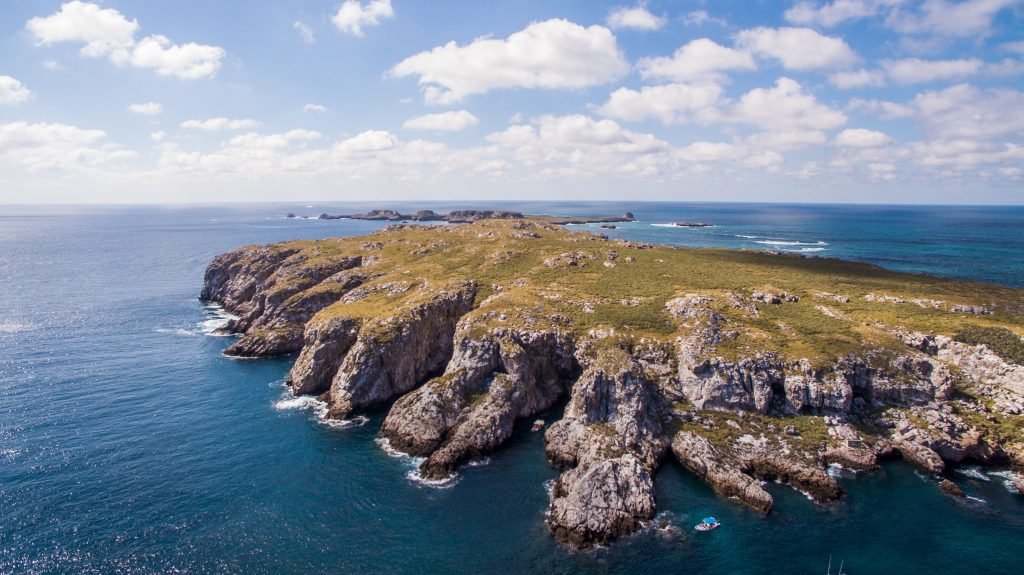
The most important things to consider when visiting the Marietas Islands are when you should visit (Nov-Apr), and how to get there. Since you first need to get to Punta Mita generally before getting on a boat. The Marietas Islands are a collection of small, uninhabited islands situated off the western coast of Mexico’s Nayarit state, in close proximity to Puerto Vallarta. These islands are a protected marine reserve, and are known for their abundant wildlife, crystal-clear waters, and stunning natural beauty. The islands were formed millions of years ago by volcanic activity, and are home to a wide variety of marine and bird species. The waters around the islands are teeming with colorful tropical fish, sea turtles, dolphins, and humpback whales (during their annual migration season). The islands are also an important nesting site for several species of seabirds, including the blue-footed booby and the red-billed tropicbird. The Marietas Islands are a popular destination for snorkeling, diving, and kayaking, as the waters are calm and clear, and there are plenty of underwater caves and rock formations to explore. Visitors can also take a boat tour around the islands to see the wildlife and the unique geological formations, including the famous “Lover’s Beach” (also known as “Playa del Amor”), which is a secluded beach nestled inside a collapsed cave. To preserve the natural beauty and delicate ecosystem of the islands, there are strict regulations in place for visitors. For example, access to the Hidden Beach is limited and requires a permit, and boats are not allowed to anchor near the islands to prevent damage to the coral reefs. Sometimes tours are altogether stopped and not allowed because of the strict preservation rules. Fact or fiction: Mexicos military performed bombing experiments over the Marietas Islands in the 1900’s? Fact! The military did use the Marietas Islands as a bombing range in the early 1900s, but this was long after the islands had been formed by natural processes. Over time, erosion and the action of the sea sculpted the islands into their current shape, which includes a distinctive “hidden beach” inside a collapsed volcanic crater. The bombing caused some damage to the islands, but it did not create them. Some argue the holes left in the rock were because of the bombings. However nothing suggests this to be true or otherwise. When you visit, you’ll have to see for yourself. Best time to visit the Marietas Islands? The best time to visit the Marietas Islands is during the dry season from November to April, when the weather is warm and the water is clear for snorkeling and diving. How do I get there/how far is it? First you must get to Punta Mita, where a boat can pick you up. Otherwise the trip will be much longer if you start on a boat in Marina Vallarta (which can still be arranged). The boat ride to the Marietas Islands takes about 20-30 minutes from Punta de Mita or Sayulita, depending on the weather conditions. Its a breathtaking place we highly recommend you visit while you’re here! At Marietas Islands, you can find a diverse range of fish species due to the unique ecosystem in the area, which includes a mix of tropical and temperate water conditions. Some of the common fish species found at Marietas Islands include: Yellowtail: A popular game fish with a firm texture and mild flavor. Red Snapper: A bottom-dwelling fish with a sweet, nutty flavor and firm white meat. Mahi-Mahi: A fast-swimming fish with firm, flavorful meat often used in ceviche and sushi dishes. Grouper: A large, slow-growing fish with a mild, buttery flavor and dense texture. Tuna: A popular game fish with a rich, meaty flavor that can be eaten raw or cooked. Roosterfish: A tough fighting fish with a distinct appearance and firm, white meat. Wahoo: A fast-swimming fish with a delicate texture and mild, sweet flavor. Jack Crevalle: A powerful game fish with firm, white meat and a slightly sweet flavor. Sierra Mackerel: A smaller fish with a delicate, sweet flavor and soft, white flesh. These are just a few examples of the many fish species that can be found at Marietas Islands, making it a popular spot for sport fishing enthusiasts and tourists looking to experience the diverse marine life in the area. Booking your trip. This is the most tricky place to visit when vacationing in Puerto Vallarta because of the strict rules implemented by the Mexican government. If you desire a visit to these incredible islands, contact us at Palmaracharters.com and we’ll help you get there. For ALL other things Vallarta, don’t forget to download our eBook “100 Things to-do in Puerto Vallarta.”