Fishing in Cabo San Lucas in December

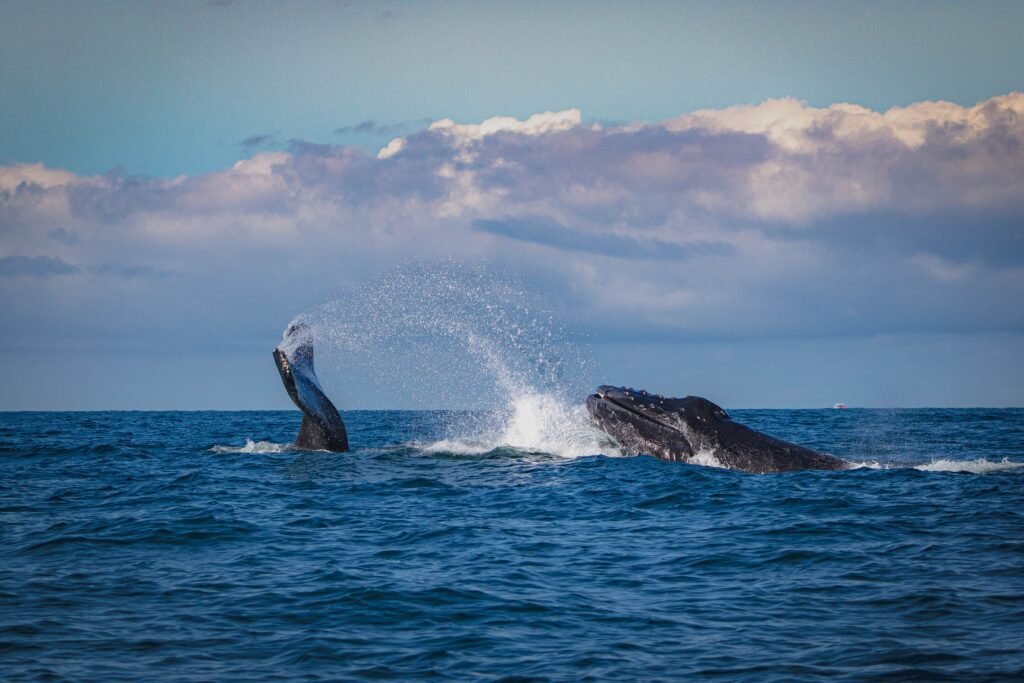
December is one of the most active months on the water in Cabo San Lucas because it brings ideal weather, calm seas, and strong wildlife activity. Travelers visit Cabo during this period expecting good fishing, the start of the whale-watching season, and warm evenings perfect for sunset cruises. These conditions create a steady demand for private charters, making it important to choose a provider that offers clean boats, dependable crews, and clear planning support. Palmara Charters Cabo focuses on giving guests smooth outings during this busy season, whether the goal is sportfishing or a relaxed cruise. December trips feel more rewarding when the operator understands local patterns, and Palmara’s team helps guests enjoy the best experiences the month offers. What Makes December Special for Cabo San Lucas Boat Trips? December signals key changes in the water that make boat trips more exciting and productive. Cooler ocean temperatures attract whales migrating from the north, and many guests spot them even on short trips. Fishing conditions remain active, with billfish, dorado, and tuna still present in many offshore zones. Sunset cruises in December also feel different because the evenings bring steady breezes and warm colors over Land’s End. Palmara Charters understands how these seasonal factors influence each type of trip and helps guests choose the right route. This guidance improves comfort and increases the chances of seeing wildlife or catching fish. December brings some of Cabo’s best moments, and having a reliable team makes the experience easier. When Does Whale Watching Season Start in Cabo? Whale watching season begins in early December, as humpback whales arrive in the waters surrounding Cabo San Lucas. Their migration brings regular sightings across the bay, including breaching, tail slaps, and mother-calf pairs. These moments often happen close to shore, which means guests can enjoy strong sightings even on shorter charters. Booking with Palmara Charters Cabo helps ensure you have a stable vessel, knowledgeable crew, and smooth approach to whale areas. While whales move naturally, December offers some of the most frequent sightings of the year, making it one of the best months for guests who want to see these giants in calm conditions. Which Fish Species and Fishing Conditions Are Common in December? December fishing in Cabo remains strong due to the variety of species active during cooler months. Dorado continue to appear in good numbers, and striped marlin often gather offshore, giving anglers a mix of inshore and deep-sea opportunities. Tuna remain possible depending on water conditions, and some boats find wahoo and snapper during certain weeks. Palmara Charters Cabo prepares each vessel with bait, tackle, and gear suited for the species most active at the time of your trip. Crews track recent fishing patterns daily, helping guests focus on areas with better chances of action. December gives anglers a balanced mix of steady weather and exciting catches. Which Boat Trip Fits Your December Schedule: Fishing, Whale Watching or Sunset Cruise? December brings many travelers to Cabo looking for reliable boat trips that match their interests. Some want early-morning action with fishing, while others prefer daytime whale watching or peaceful sunset cruises. Each type of outing offers a different experience, and Palmara Charters supports all three with well-kept boats and crews who guide guests through the day. Choosing the right trip depends on your schedule, group size, and interest level, and we help answer these questions clearly. By understanding what each option offers during December, you can pick the trip that gives your group the most enjoyment. Private Fishing Charters – What to Know Private fishing trips in December offer strong opportunities due to steady bait activity and active offshore species. Palmara’s fishing vessels come equipped with rods, reels, bait, and everything needed for productive action. Guests often enjoy a mix of trolling and targeting specific species based on recent patterns. Palmara crews assist with setup, explain techniques, and support guests through the day. December can bring busy mornings and bright afternoons, making it ideal for full-day or half-day outings. Private charters provide flexibility and comfort, which helps guests enjoy fishing at a steady pace without pressure or crowds. Whale Watching Excursions – What to Expect December whale watching offers predictable sightings, as humpback whales begin arriving in large numbers. Palmara’s crew guides boats to safe viewing distances and positions them carefully so guests can enjoy clear views. Boat stability and guest comfort matter during whale watching, and Palmara prepares each trip with attention to safety and smooth movement. Sightings may include breaching, fin slaps, or slow cruising near the surface. The calm December seas support a relaxing outing for families, couples, or small groups wanting to see whales in natural conditions. Sunset Cruises & Scenic Tours – A Relaxed Option December sunsets in Cabo are warm, colorful, and steady, making evening cruises one of the most popular options of the month. Palmara Charters offers peaceful trips around Land’s End, Lover’s Beach, and El Arco, allowing guests to enjoy views while the sun lowers behind the Pacific. These cruises suit groups wanting a calm, social, or romantic outing without the pace of fishing or wildlife watching. With soft lighting and comfortable seating, Palmara’s sunset trips bring a pleasant end to the day for holiday travelers and winter visitors. Why Palmara Charters Should Be Your Go-To for Cabo December Trips Palmara Charters Cabo focuses on comfort, safety, and clear communication during one of the busiest seasons of the year. December brings large crowds and high charter demand, yet Palmara stands out by offering consistent service, clean boats, and crews who understand seasonal patterns. Guests appreciate Palmara’s simple booking process, stable pricing, and friendly support both before and during the trip. The company offers options suited for fishing, whale watching, and sunset cruising, giving travelers flexibility without confusion. Palmara’s approach helps reduce stress for guests who want an organized experience that feels well-managed from start to finish. Suggested December Boat Trip Itineraries with Palmara Charters Early Morning Whale Watching + Breakfast A morning whale-watching trip allows guests
5 Helpful Tips When FISHING in Puerto Vallarta
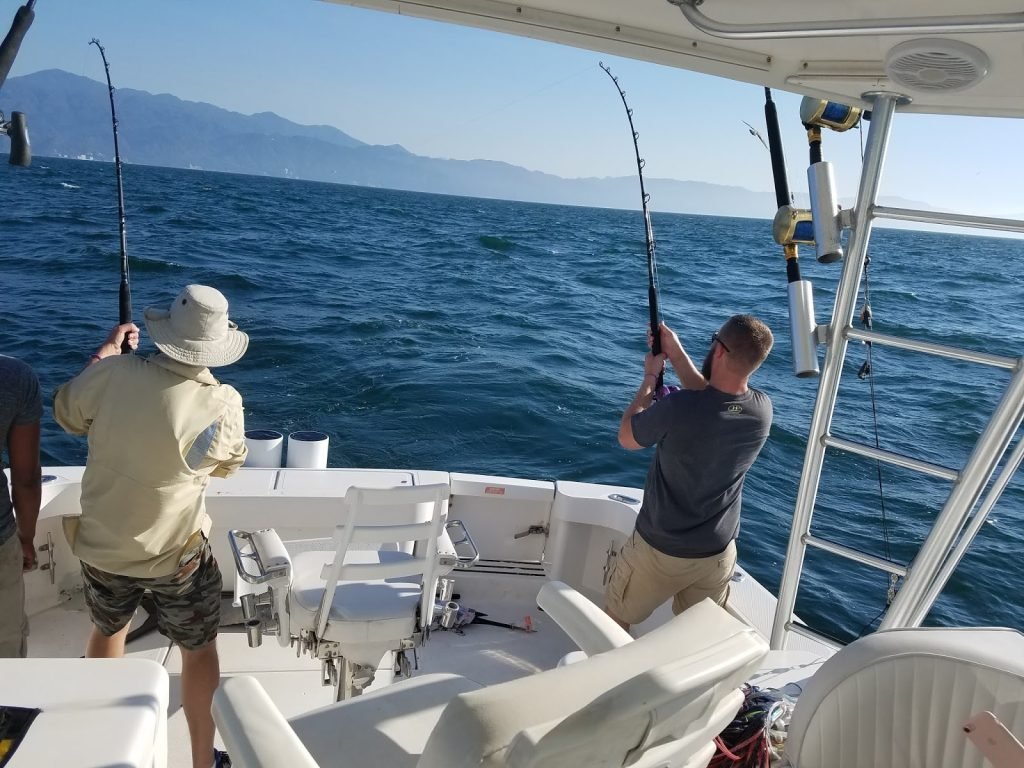
Does Puerto Vallarta Have Good Fishing? Puerto Vallarta’s waters offer a unique fishing experience, teeming with a diverse range of species, from Mahi-mahi (dorado) to impressive sport fish like Sailfish. Fishing in Puerto Vallarta is an incredible location for many sport fishing enthusiasts and those looking to simply enjoy a fishing charter for fun. It’s a big reason why many people visit here every year believe it or not! Thanks to Vallarta’s location on Mexico’s Pacific coast and calmer waters due to the bay, the abundance of fish species found in its warm waters is plentiful. Let’s dive into some specifics about what it’s like fishing in Puerto Vallarta, including the best times to fish, tips on making the most out of your fishing trip, what species you may see/catch, and what many of these fish are best used for if you’ve caught any of them. Best Months to Fish in Puerto Vallarta The best time for fishing in Puerto Vallarta is from November to June, which is considered the high season. During this period, the water is warmer and calmer, and there are more fish in the area. However, fishing can still be good throughout the year, with different species being available during different seasons. Various other species become more abundant in the off months from July-October, but this isnt a time when most tourists and fishing enthusiasts are in the area anyways, so the timing of Vallarta’s fishing season works out perfectly! But let’s talk about the most common species you’ll find here in the bay when fishing in Puerto Vallarta. Some of the most popular fish species that can be caught in the waters around Puerto Vallarta include marlin, yellowfin tuna, dorado (mahi-mahi), roosterfish, and snapper, and even pacific bluefin tuna – although that’s rare. Below we’ll show you a chart that gives you a great visual of each fish and its corresponding months theyre plentiful, and then we can talk about each one in some detail. Sailfish These are the ultimate trophy fish! When fishing in Puerto Vallarta, it’s certainly possible to find one of these, but likely not within the bay. For this catch, you’ll need to head outside of the bay into deeper open ocean. Their habitat is mostly in open ocean, however they tend to stay closer to the surface. Sailfish are large, with the ability to grow up to 11 feet (3.4 meters) in length and weigh up to 220 pounds (100 kilograms). So if one of these guys bites onto your line, be prepared for a long battle to the finish line. They feed on large schools of fish such as sardines and mackerel, while also regularly feasting on squid. They’re also known to be solitary hunters and rarely travel in packs, so if you see more than one – consider yourself lucky! However the most interesting characteristic about sailfish has to be their insane speed. Clocking in at speeds of up to 68 miles per hour (110 kilometers per hour), this fish is faster than a cheetah running at full speed by a whole 6.2 mph (10 km/h). Marlin – Blue, Black, and Striped Whats even faster than a sailfish? A marlin. Unbelievably quick, these fish can swim at speeds ranging from 50 to 82 miles per hour (80 to 132 kilometers per hour). Thats staggering, which means catching them can be quite the challenge. Along with sailfish, black marlin fall under the umbrella of “trophy fish” for how difficult they are to catch. It takes skill, knowledge of the sea, and some serious determination to reel a marlin in. Fish like marlin take not only skill from the angler (fisherman), but also the captain to direct the boat properly during the fight, and the deckhands/others on board. This battle can take anywhere from 20 minutes to several hours of pulling and pulling until that fish is finally in the boat. A true adrenaline rush and what every angler strives to experience when fishing in Puerto Vallarta. Roosterfish: Recognizable by its distinctive comb-like dorsal fin, roosterfish is a thrilling challenge for sports fishermen. Catch and release is encouraged for these magnificent creatures, as they are not typically consumed. What makes these fish easy to catch compared to others on this list is their love for shallow habitats. Normally found near the surface around rocky areas, making it excellent hunting ground when fishing in Puerto Vallarta. Sport fisherman love the challenge of reeling in a roosterfish due to their tenacity and acrobatic displays. Wahoo Wahoo is the named after the sound most people make when they catch one of these fish. No I’m kidding thats a bad dad joke, but what is true is this magnificent fish is abundant during high season – making it a likely catch if you’re spending time on the water during those winter months. Not unlike the other fish mentioned above, this is another super fast fish, clocking in at speeds of 60 mph (97 kmh) at their top speeds. They’re known for their voracious hunting style when killing their prey such as smaller fish and squid, due to their large sharp teeth. Sizes range from 20 pounds to a whopping 100 pounds. This is a wonderful fish for sushi and sashimi because of their hard texture and mild flavor. Red Snapper A prized catch in the bay, red snapper is known for its sweet, mild-flavored flesh. Anglers often target them using bottom fishing techniques. One of the best parts of fishing in Puerto Vallarta is red snapper are one of the few fish that remain abundant all year round. With consistent month over month healthy levels of this species. roaming the warm waters of Banderas Bay. These fish can surprisingly live up to 50 years, and are found in warm waters at depths of 30-200 feet roaming reefs and rocky bottoms. The exciting part of a red snapper is their variation in size because they vary so much. Normally you’ll see an