When you think about exploring a coastal destination, what comes to mind? Most likely, you picture beautiful beaches, towering cliffs, or vibrant coastal towns. But the best way to experience these breathtaking landscapes isn’t always from land, it’s from the water. Whether you’re gliding across turquoise waters on a yacht or drifting along serene coastlines in a kayak, coastal destinations offer a whole new perspective when viewed from the water.
From the hidden coves of Mexico’s Pacific coast to the Mediterranean’s azure waters, experiencing these regions by boat or yacht opens up a world of beauty and adventure that’s often missed from the shore. In this article, we’ll explore the unique reasons why coastal destinations are best experienced from the water. We’ll discuss the unobstructed views, the exclusive access to hidden gems, and the incredible water activities that can only be experienced on the waves. Whether you’re planning your next trip to Cabo San Lucas, the Caribbean, or a Mediterranean island, you’ll see why the best way to explore these places is from the water.
The Unique Views of Coastal Destinations from the Water
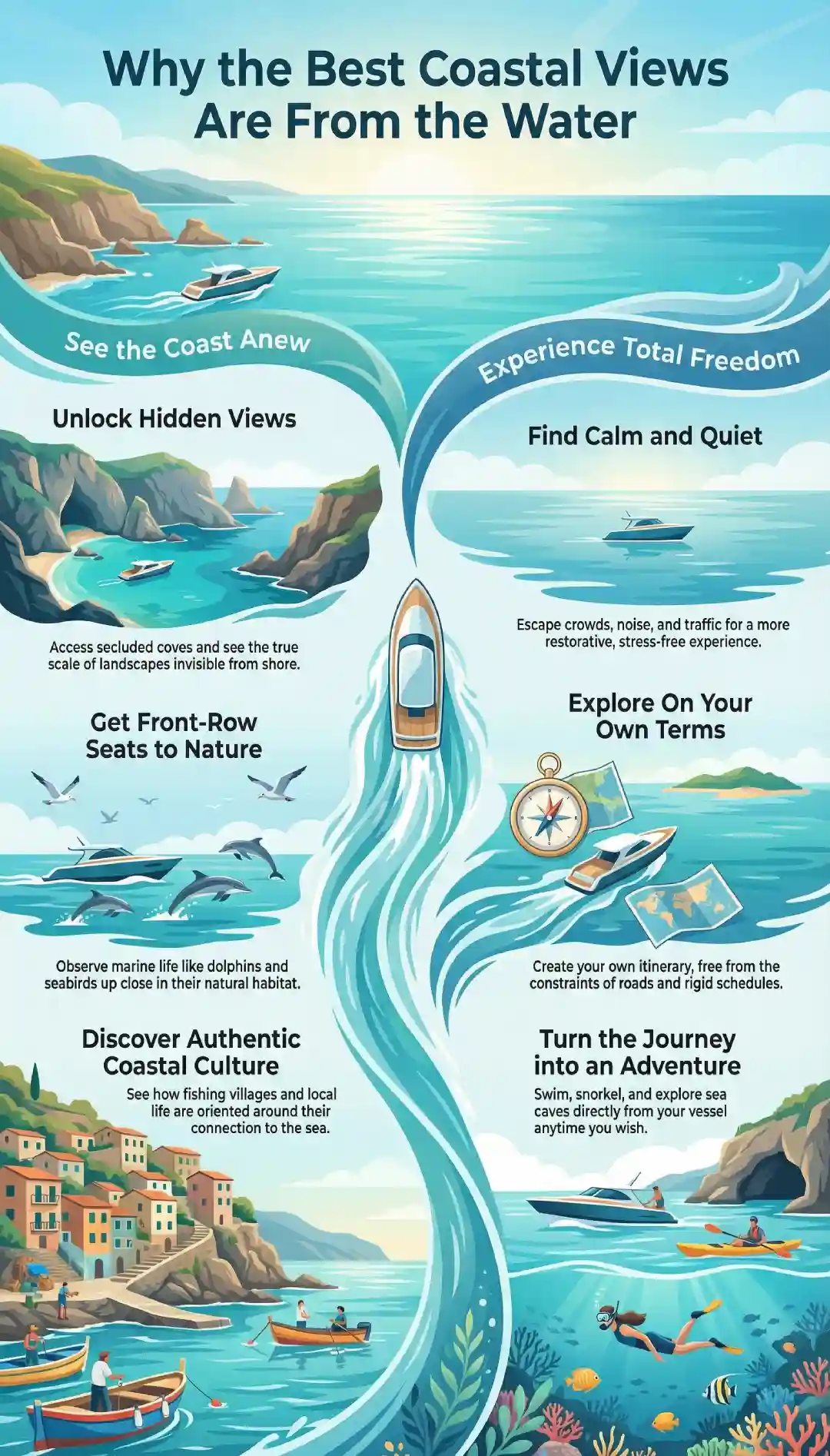
Coastal landscapes are undeniably stunning from the shore, but experiencing them from the water gives you an entirely different perspective. While the land provides a fixed point of view, the water allows for movement and the ability to see the entire coastline from multiple angles. Whether you’re cruising along the rugged cliffs of Big Sur or sailing through the calm waters of Mexico’s Riviera Maya, the dynamic views change constantly, offering something new with each moment.
From the water, you can view cliffs, beaches, and coastal vegetation that are often hidden from land view. The sparkling sea and the shimmering coastline reflect the natural beauty in ways that are impossible to replicate when you’re confined to land-based views. Plus, being on a boat or yacht means you’re often at a higher vantage point, allowing for a wider, more panoramic view of the surroundings.
- Pro Tip: For Mexico, sailing along the coastline gives you the opportunity to see unique landscapes, from the rocky shores of Cabo San Lucas to the tranquil beaches of Yucatán, which are otherwise difficult to access by foot.
Changing Perspectives and Angles
The beauty of coastal destinations from the water lies in the constantly changing perspectives. When you’re on a boat, you’re able to get closer to the shore, explore the hidden coves, and pass beneath sea cliffs that stand tall from land. This dynamic movement creates a sense of adventure as the coast reveals new secrets around every corner.
On land, you’re often constrained by fixed viewpoints and crowded areas. From the water, however, you have the freedom to explore less-traveled routes and remote coastlines. As you move along, the changing angles of the coastline highlight hidden beaches, secluded caves, and private coastal estates, places you might never find otherwise.
- Example: The coast of Santorini, with its whitewashed buildings and volcanic caldera, is best appreciated from the water, where you can see the contrast between the island’s dramatic cliffs and the vast blue expanse of the sea.
Examples of Famous Coastal Destinations Best Seen from the Water
Coastal destinations like the Amalfi Coast, Santorini, and Cabo San Lucas are famous for their stunning views, and the best way to experience them is by boat. Let’s take a closer look at a few iconic locations where the view from the water is truly unparalleled:
- The Amalfi Coast (Italy): This UNESCO World Heritage site is known for its dramatic cliffs, colorful towns, and crystal-clear waters. The best views of the Amalfi Coast are from the water, where you can cruise along the coastline, stopping to admire the towns of Positano and Ravello from a unique vantage point.
- Santorini (Greece): The island’s volcanic caldera is one of the most iconic views in the world. From a boat, you can see the stark contrast between the bright blue waters and the island’s white buildings, perched on the cliffs above.
- Cabo San Lucas (Mexico): Whether you’re exploring the famous El Arco rock formation or cruising past the iconic Land’s End cliffs, Cabo’s coastline is at its best when seen from the water, offering sweeping views of the desert meeting the sea.
Exploring Coastal Destinations: Water-Based Activities and Attractions
Coastal destinations are often hubs for exciting water-based activities, and these experiences are best enjoyed on the water. Whether you’re an adrenaline junkie or someone who enjoys more leisurely pursuits, there’s something for everyone:
Snorkeling and Scuba Diving
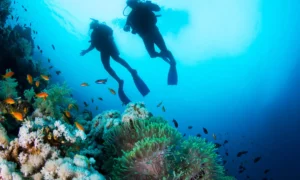
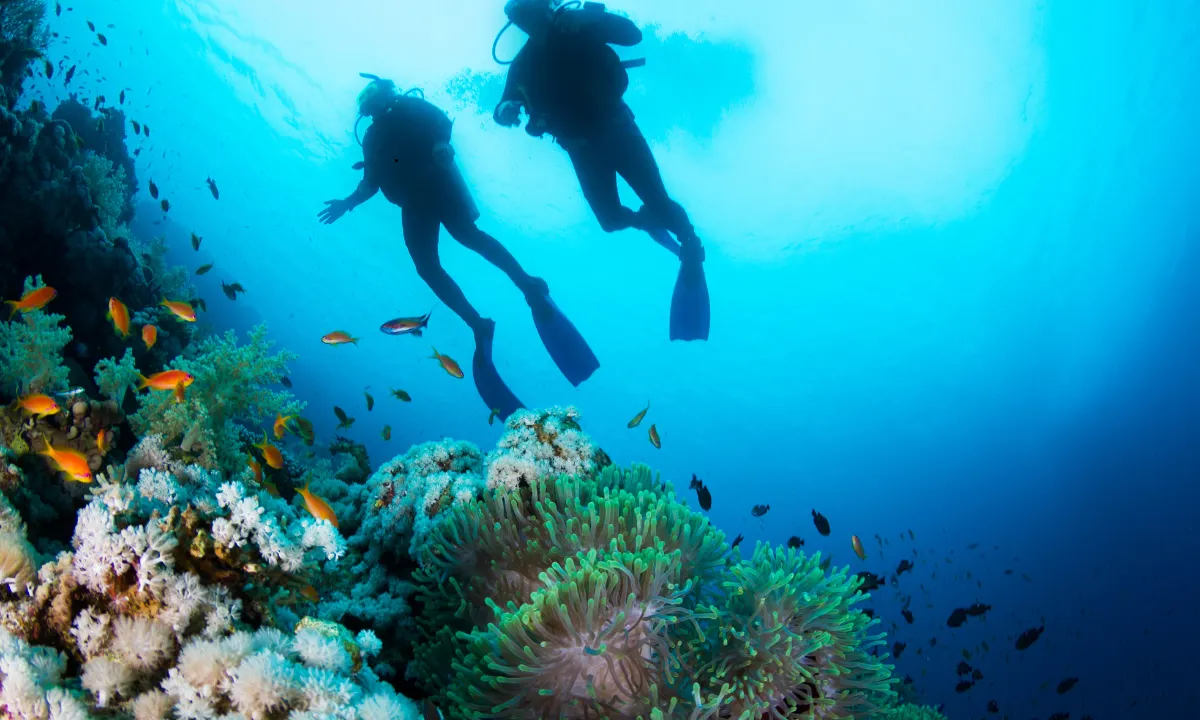
Coastal areas are often home to some of the world’s most vibrant underwater ecosystems. Whether it’s the Great Barrier Reef, Palawan in the Philippines, or the Caribbean’s coral reefs, these destinations offer unparalleled opportunities for snorkeling and scuba diving. Exploring the coral gardens, fish species, and marine life is best done from the water, where you can easily access the underwater world.
Kayaking and Paddleboarding
Kayaking and paddleboarding give you the chance to get up close to coastal landscapes while enjoying the water. These water sports allow you to glide across calm waters and explore hidden beaches, secluded coves, and sea caves. Mexico’s Riviera Maya offers incredible opportunities for paddleboarding through mangrove forests and lagoons.
Fishing and Sailing
Whether you’re on a private yacht charter or a guided fishing tour, spending time on the water allows you to experience the coastal world in a unique way. From deep-sea fishing in Cabo San Lucas to sailing across the Mediterranean, these activities provide firsthand access to the wonders of the ocean and the coastal regions.
Private Yacht Charters and Boat Tours
For those seeking luxury and exclusivity, private yacht charters offer the ultimate experience of coastal exploration. You can customize your itinerary, visit multiple destinations, and enjoy secluded beaches away from the crowds. Yacht charters not only offer luxury but also the chance to see coastal destinations from an entirely different angle.
Luxury Yacht Charters
Private yacht charters provide you with a luxurious experience, featuring exclusive access to the most scenic coastal areas. These vessels come equipped with everything you need for a private getaway, including spacious decks, gourmet dining options, and a professional crew to cater to your every need.
Guided Boat Tours
For those who prefer a guided experience, boat tours can offer the same exclusive views while being led by experts. These tours provide insight into the marine ecosystems, historic coastal towns, and unique landmarks you may not otherwise discover.
Coastal Destinations Accessible Only by Water
Islands and Remote Coastal Areas
Some of the world’s most breathtaking coastal destinations are located on islands or remote coastal areas that can only be reached by boat. These places are often hidden from view and provide an element of exclusivity and adventure.
- Island Hopping
The best way to explore archipelagos like the Philippine Islands, the Greek Isles, or the Caribbean is by boat. Island hopping allows you to visit secluded islands, enjoy private beaches, and discover local cultures that would otherwise be inaccessible by land. - Exclusive Waterfront Properties and Resorts
Many luxury resorts and private beach properties are located on islands or remote coastal areas, accessible only by private boats or water taxis. These exclusive destinations offer the ultimate escape from the crowds, making them perfect for a peaceful retreat.
Water as the Gateway to Coastal Exploration
- Boat and Ferry Access to Coastal Attractions
Certain coastal destinations are best explored via boats or ferries. Places like Venice (Italy) and Sydney Harbor (Australia) rely on water transportation for both practical and tourist reasons. Taking a ferry ride to Manly Beach in Sydney or a gondola ride in Venice allows you to experience the city’s most iconic landmarks from a unique perspective. - Secluded Beaches and Coastal Villages
Many coastal areas are home to secluded beaches and quaint fishing villages that can only be reached by water. For example, in Mexico, Isla Holbox and Isla Mujeres are stunning destinations that visitors can only reach by boat or ferry. These untouched places allow for quiet relaxation, away from the crowds of popular tourist hubs.
The Environmental Impact of Coastal Tourism by Water
Eco-Tourism and Sustainable Coastal Travel
As more travelers explore coastal destinations, there is a growing need to protect these natural environments. Coastal areas are home to marine ecosystems, coral reefs, mangroves, and wildlife that are sensitive to human activity. Experiencing these places from the water can actually support eco-tourism when done responsibly, as it reduces overcrowding on land and spreads tourism across wider areas.
Eco-tourism focuses on low-impact travel, where visitors can enjoy nature without harming it. Many coastal regions, including parts of Mexico like Baja California and Riviera Maya, are promoting responsible tourism practices such as:
- Respecting marine life and avoiding contact with coral reefs
- Using reef-safe sunscreen to protect ocean ecosystems
- Supporting local guides and eco-certified tours
- Avoiding littering or dumping waste into the sea
Traveling by water, especially with responsible operators, allows visitors to experience nature while maintaining balance with the environment. Responsible wildlife viewing is essential, and following the Marine Life Viewing Guidelines ensures that your encounter with dolphins or turtles is safe for both you and the animals.
Sustainable Boat Tours and Green Yachting
Modern yachting and boating are also evolving to reduce environmental impact. Many companies are now investing in eco-friendly boats and green yacht technologies that minimize fuel consumption and pollution.
Here are some sustainable practices shaping the future of water-based tourism:
| Sustainable Practice | Benefit |
| Hybrid and electric engines | Lower fuel consumption and emissions |
| Solar-powered systems | Reduced reliance on traditional energy |
| Waste management systems | Prevent ocean pollution |
| Eco-certified tours | Protect marine biodiversity |
In destinations like Los Cabos, more operators are offering responsible whale-watching tours and eco-friendly yacht experiences, ensuring that tourism supports conservation rather than harms it. At Palmara charters, the focus is on offering experiences that respect the ocean while still delivering premium comfort. Choosing the right charter company makes a big difference in protecting coastal beauty for future generations.
Coastal Destinations Best Experienced by Water: Top Locations
Cabo San Lucas, Mexico: A Waterfront Experience Like No Other
Cabo San Lucas is one of the best examples of why coastal destinations are best explored from the water. The famous El Arco (The Arch), dramatic rock formations, and the meeting point of the Pacific Ocean and the Sea of Cortez create a landscape that is far more impressive when viewed by boat.
From the water, you can:
- Cruise past Lover’s Beach and Divorce Beach
- Experience whale watching during migration season
- Enjoy private snorkeling spots away from crowded shores
- Watch sunsets over the ocean with uninterrupted views
This is where services like Palmara charters truly stand out, offering private yacht experiences that let you explore Cabo in comfort, privacy, and style.
The Amalfi Coast, Italy: Cliffs, Villages, and Sea Views
The Amalfi Coast is known for its cliffs and colorful villages, but from land, your views are often limited by narrow roads and crowded viewpoints. From the water, everything opens up. A boat ride along the coast allows you to:
- See Positano and Amalfi towns from a full panoramic angle
- Access hidden beaches and sea caves
- Avoid heavy tourist traffic on land
This makes the water experience far more relaxed and visually rewarding.
Santorini, Greece: The Caldera from the Sea
Santorini’s beauty is world-famous, but the true scale of its volcanic cliffs is best understood from the water. Sailing around the island gives you a full view of the caldera, something you simply cannot experience from land alone. From a boat, you can:
- Swim in volcanic hot springs
- Watch the sunset directly below the cliffs
- Explore quiet beaches only reachable by sea
Whitsunday Islands, Australia: Pure Coastal Nature
The Whitsundays are a group of islands surrounded by clear waters and white sand beaches. Many of these islands are only accessible by boat, making water travel essential. Top experiences include:
- Visiting Whitehaven Beach, known for its pure silica sand
- Snorkeling in protected reef areas
- Sailing between islands with uninterrupted ocean views
Quick Comparison: Land vs Water Experience
| Experience Factor | From Land | From Water |
| View Quality | Limited angles | Full panoramic views |
| Crowd Level | Often crowded | Private and peaceful |
| Access | Restricted to roads | Access to hidden spots |
| Activities | Limited | Wide range (snorkeling, sailing, etc.) |
| Experience Level | Standard | Premium and immersive |
How to Choose the Right Coastal Water Experience
Not all water experiences are the same. Choosing the right option depends on your goals, budget, and travel style.
Private Yacht vs Group Tour
| Option | Best For |
| Private Yacht | Privacy, luxury, special occasions |
| Group Boat Tour | Budget-friendly, social experience |
Guided Tour vs Independent Exploration
Guided Tours: Best for learning about local history, marine life, and hidden spots
Independent Trips: Ideal for freedom and flexible schedules
For travelers in Mexico, especially in Cabo, a private yacht charter offers the best balance of comfort, exclusivity, and access.
Frequently Asked Questions
Why is it better to experience coastal destinations from the water?
Experiencing coastal destinations from the water offers unobstructed views, access to hidden beaches, and unique perspectives of cliffs and marine life that aren’t visible from land.
What are the best activities to do on a yacht?
Popular yacht activities include snorkeling, scuba diving, sailing, fishing, and whale watching, allowing you to connect with the coastal environment in a way that’s only possible on the water.
How does water-based tourism impact the environment?
If not managed responsibly, water-based tourism can harm marine ecosystems. However, many coastal destinations are adopting sustainable practices such as eco-friendly boats and marine life protection efforts.
What should I wear when exploring coastal destinations by boat?
Opt for comfortable, breathable fabrics like linen and cotton. For luxury yachts, choose casual elegance with stylish sundresses or polo shirts paired with comfortable footwear.
What are some top coastal destinations to explore by boat?
Some top destinations include Cabo San Lucas (Mexico), the Amalfi Coast (Italy), Santorini (Greece), the Whitsunday Islands (Australia), and the Galapagos Islands (Ecuador).